
DRAM prices surge 171% as Dell raises PC costs 10-30% starting December 17 amid AI chip shortage

GigaNectar Team

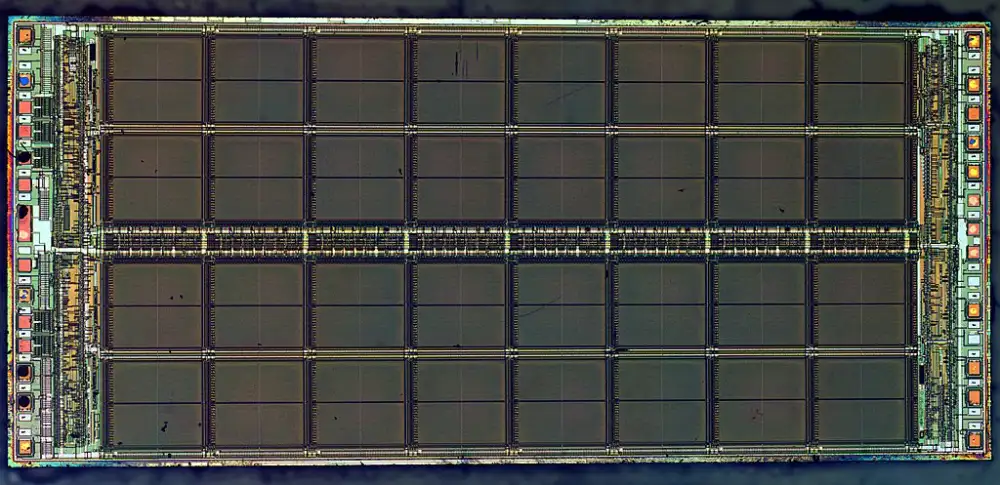
Close-up microscopic view of Micron MT4C1024 one megabit DRAM semiconductor chip die showing internal circuitry structure and silicon pathways
Memory Price Crisis 2025-2026

The memory chip shortage stems from a fundamental shift in production priorities. Major DRAM manufacturers including Samsung, SK Hynix, and Micron are reallocating fabrication capacity toward High Bandwidth Memory (HBM) chips required for AI accelerators like Nvidia’s B300 and custom chips from cloud giants.

According to TrendForce’s market analysis, NAND demand in 2026 is expected to grow 20-22% year-over-year, while supply will increase only 15-17%, creating an inevitable supply-demand gap. The firm has downgraded its 2026 notebook shipment forecast from 1.7% growth to a 2.4% decline due to rising component costs.

Team Group’s general manager Gerry Chen warned that December contract prices for DRAM and NAND increased 80-100% month-over-month, with availability expected to worsen in Q1-Q2 2026 once distribution stockpiles are exhausted.

⚠ ONGOING CRISIS

AI-driven demand for High Bandwidth Memory has triggered unprecedented price increases across all memory types, forcing PC manufacturers, smartphone makers, and data center operators to navigate the most severe supply shortage since 2020.

Crisis By The Numbers

📈
171%
DRAM price increase year-over-year, outpacing gold
💾
100%
DDR5 chip prices doubled in one month (November-December 2025)
💻
10-30%
Dell PC price increases starting December 17, 2025
2027
Earliest expected relief from supply shortages
🏭
20%
Contract price increases for DRAM and NAND in Q4 2025
🎯
$27
Average spot price per 16Gb DDR5 chip (December 2025)

💰 Calculate Your Device Cost Impact

Original Price (2024)
$1,000
New Price (2026)
After memory price increases
$1,250
+25%
Additional Cost
$250

Crisis Timeline: How We Got Here

September 2025
First Warning Signs
TrendForce reports NAND Flash contract prices rising 5-10% in Q4 2025. Micron suspends quotations for DDR4, DDR5, LPDDR4, and LPDDR5 products effective September 12. SanDisk announces 10% price increases across all NAND products.
November 2025
Price Surge Accelerates
DRAM and NAND prices double month-over-month. 16Gb DDR5 spot prices jump from $6.84 to $24.83, reaching $27.20 by December 1. Samsung raises memory chip prices by up to 60% since September.
December 2025
PC Makers React
Dell announces 10-30% price increases for commercial clients effective December 17. Lenovo notifies clients of price hikes starting January 2026. HP CEO warns H2 2026 could be especially challenging.
Q1 2026
Peak Crisis Expected
TrendForce projects NAND prices to rise double digits. Memory demand expected to grow 20-22% while supply increases only 15-17%. Distribution stockpiles exhausted, making allocation difficult regardless of price.
2027-2028
Possible Relief
Industry experts project supply shortages to extend through late 2027, with normalization unlikely before 2028 when new fabrication capacity comes online. New greenfield fabs take at least three years to build and ramp up.

Price Trajectory Analysis

Industry-Wide Impact

💻
PC & Laptop Manufacturers
Dell, Lenovo, and HP raising prices by 10-30%. Memory costs climbing faster than ever recorded. Companies forcing specification downgrades on mid-range models.
32GB RAM: +$130-$230
📱
Smartphone Market
Android brands targeting mid-to-low segments face pressure to raise launch prices for 2026 models. Base models may return to 4GB RAM. Xiaomi budgeting 25% increase in DRAM costs.
Price increase: ~$125/phone
🏢
Enterprise & Data Centers
Cloud service providers locking in 2027 allocations now. Server DRAM prices surge up to 50%. AI infrastructure prioritized over consumer products.
128GB modules: +$520-$765
🚗
Automotive Industry
Infotainment and autonomous vehicle systems affected. Automakers hesitating on new chip orders. Automotive-grade DRAM supply constrained.
Production delays expected
🎮
Gaming & Consumer Electronics
Game consoles, VR/AR headsets, and smart devices facing higher costs. Memory modules for gaming PCs doubled in price. DIY builders hit hardest.
16GB kit: $225-$228
🤖
AI Infrastructure
Root cause: DRAM makers reallocating capacity to High Bandwidth Memory (HBM) for AI accelerators. Tech giants booking supply years ahead. One in five NAND bits will be used for AI by 2026.
Demand driving crisis

Understanding the Root Causes

Building new fabrication facilities takes at least three years. Even if manufacturers decided today to construct new memory fabs, they would come online in late 2028 at the earliest and reach full production only in 2029, meaning relief is years away.

For consumers and businesses planning technology purchases, prices will remain elevated through 2026 and likely into 2027. Strategic planning and early procurement are essential for managing these cost pressures.

Related Coverage:
Micron Kills Crucial Brand After 29 Years as AI Memory Demand Swallows Capacity
iOS 26.2 December 2025: Urgent Updates for Reminders, Alarms, and CarPlay
Android 16 QPR2 December 2025 Update
Discord Checkpoint 2025: 744 Billion Messages Year Review
Snapchat Recap 2025: Voice Calls Surge 30 Percent

Industry Analysis:
Expert commentary on social media platforms highlights the unprecedented nature of this crisis and its long-term implications for technology pricing.

The coverage examined memory chip pricing pressures affecting PC manufacturers, smartphone makers, and data center operators during the 2025-2026 period. The discussion included contract price data from major suppliers and shipment forecast revisions from industry analysts.

Topics addressed included capacity reallocation decisions by Samsung, SK Hynix, and Micron; commercial pricing adjustments announced by Dell and Lenovo; and supply timeline estimates from component manufacturers. The material presented DRAM spot price movements, NAND supply-demand projections, and fabrication expansion schedules.


Leave a comment