
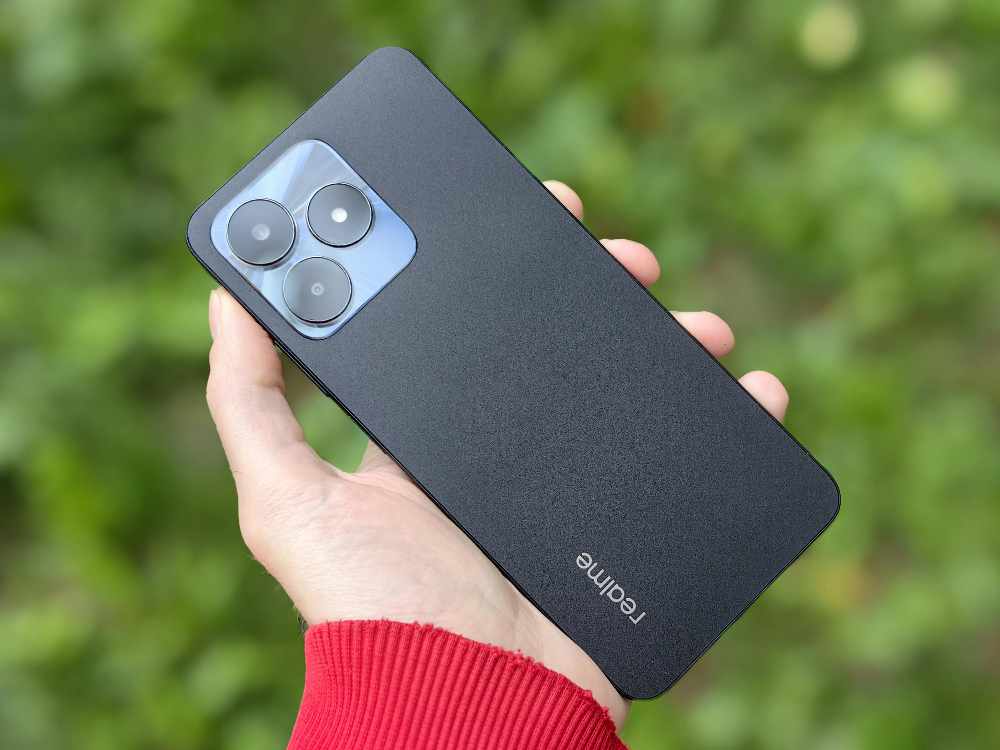
Your Next Phone Will Look Like 2019 Again — AI Is Why
The chips inside AI data centres and the chips inside your smartphone are the same chips. And right now, tech giants are buying them faster than manufacturers can make them.
The result is a supply crunch that is reshaping every price bracket of the smartphone market in 2026. Budget phones are returning to specs from five years ago — 90Hz waterdrop displays, plastic frames, 4–8GB of RAM — while flagship storage floors are going up, driven by on-device AI demands. According to TrendForce, average smartphone storage will still grow 4.8% this year, but that headline masks a widening split between premium and budget segments.
IDC calls this “a potentially permanent, strategic reallocation of the world’s silicon wafer capacity.” The interactive sections below break down the numbers, explain who’s affected, and show exactly how the crisis unfolded — and where it’s heading. Related: Steve Wozniak on AI’s Human Understanding Gap.
Note: IDC’s February 2026 analysis gave a moderate scenario of −2.9% and pessimistic scenario of −5.2% contraction; IDC’s Worldwide Mobile Phone Tracker issued a sharper forecast of −12.9%. Both reflect evolving crisis conditions.
Sources: TrendForce Memory Price Report (Dec 2025) · IDC Global Memory Shortage Analysis (Feb 2026). Chart values are illustrative estimates; actual contract prices vary by product, tier, and buyer agreement.

Entry-level and lower mid-range phones are bearing the heaviest spec cuts. Leaker Digital Chat Station confirmed these changes are being planned by manufacturers on Weibo, reported by Android Headlines.
Mid-range phones like OPPO Reno 15, OnePlus Ace 6T, and Samsung Galaxy A56 face price hikes and spec freezes. The era of getting more RAM every year for the same money is over for this bracket.
Premium phones are bucking the storage-cut trend, but not because they’re immune to price pressure — it’s because on-device AI now demands more storage, not less.
Baseline 2024 component cost approximations: 4GB RAM ~$5, 8GB ~$12, 12GB ~$17, 16GB ~$26, 24GB ~$40; 128GB storage ~$5, 256GB ~$9, 512GB ~$16, 1TB ~$28, 2TB ~$50. 2026 estimates apply DRAM ×1.92 and NAND ×1.57 multipliers from TrendForce projections. Sources: IDC memory analysis.

Per IDC: “This is a zero-sum game: every wafer allocated to an HBM stack for an Nvidia GPU is a wafer denied to the LPDDR5X module of a mid-range smartphone.” OpenAI’s Stargate project signed letters of intent with Samsung and SK Hynix in October 2025 targeting 900,000 DRAM wafers per month, per the OpenAI official announcement.
-
🍎
AppleLong-term supply agreements have historically covered 12–24 months ahead. Base iPhone now starts at 256GB. Note: Supply chain reports (Jan 2026) indicate Apple only secured agreements through H1 2026, meaning iPhone 18 pricing may still be affected.
-
📦
Samsung (Flagship)Self-manufactures memory, giving some supply chain flexibility. However, Samsung publicly warned of industry-wide memory supply issues affecting all brands, including its own.
-
🇨🇳
HuaweiPer TrendForce, Huawei is expected to see the smallest production adjustment and could post growth vs. the broader market due to its HarmonyOS ecosystem, flexible pricing, and strong China brand position.
-
💾
microSD Card MakersHybrid SIM tray return means demand for microSD cards could increase again after years of declining use.
-
📱
Budget BuyersPaying more for phones with older screen tech, less RAM, and plastic frames. IDC‘s Nabila Popal: the sub-$100 segment may become “permanently uneconomical.”
-
🇨🇳
Xiaomi, OPPO, Vivo, HonorPer TrendForce, these brands face dual pressure from rising memory costs and intensifying competition from Huawei’s expanding HarmonyOS ecosystem in China.
-
💻
Laptop BuyersPC DRAM — blended DDR4/DDR5 — projected to jump 105–110% in Q1 2026 per TrendForce. High-end ultrathin notebooks with soldered DRAM are hit hardest and cannot swap components to cut costs.
-
🔧
Smaller Android BrandsNo bulk long-term supply deals. Open-ended hyperscaler orders absorb available supply first, leaving smaller OEMs competing for what’s left — often at spot-market prices.
What Was Covered
The data and forecasts above were drawn from TrendForce’s March 2026 report on smartphone storage, IDC’s Global Memory Shortage Crisis analysis, TrendForce’s December 2025 and February 2026 memory price reports, IDC’s Worldwide Quarterly Mobile Phone Tracker, Micron’s Q1 FY2026 earnings transcript, SK Hynix’s Q3 2025 earnings call, and the OpenAI–Samsung–SK Hynix Stargate announcement.
The piece covered DRAM and NAND price projections for Q1 2026, their effect on budget and flagship phone specifications, the supply chain mechanics behind the shortage, manufacturer responses by segment, and the timeline of key events from late 2023 through March 2026. Related coverage: Apple iPhone Fold — What We Know · OpenAI’s Super-App Plans for 2026 · Meta’s VR Reality Check · Windows 11 Sign-In Fix.