
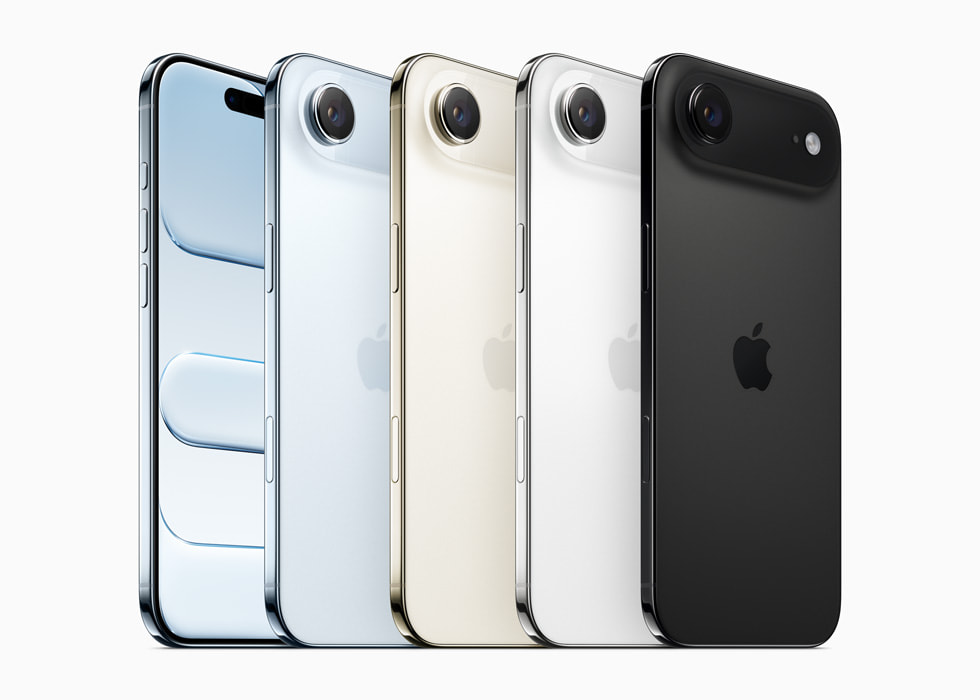
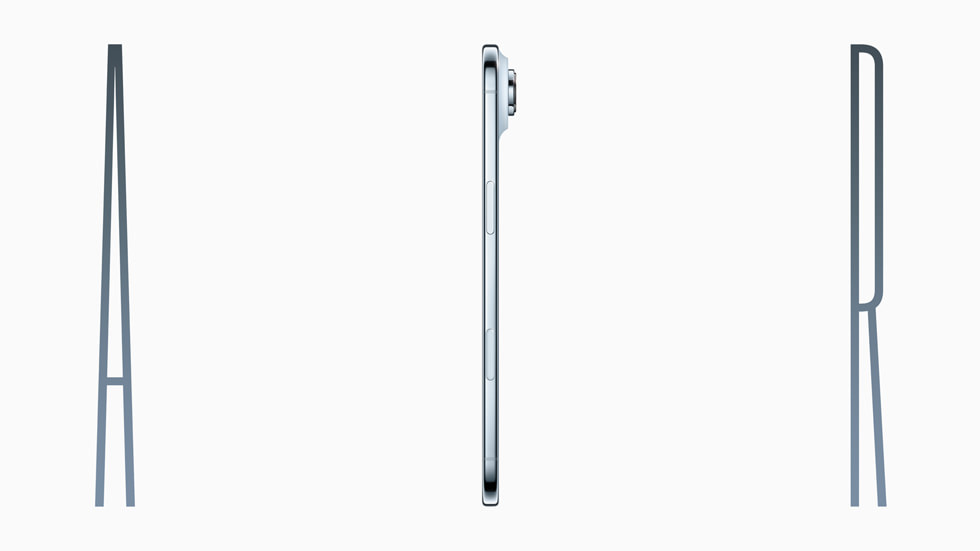
Apple replaced the iPhone Plus with the ultra-thin iPhone Air in September 2025 — and data from the fourth quarter of 2025 now shows how that bet played out in the real world. Ookla, the company behind the widely used Speedtest app, published a report in March 2026 tracking which iPhone 17 models were actively in use across its global network testing sample during the iPhone 17 launch window.
The data covers two things: how the iPhone Air’s 5.6mm form factor performed against its Plus predecessor in terms of adoption, and how Apple’s new C1X in-house modem stacked up against the Qualcomm X80 used in the iPhone 17 Pro and Pro Max. Numbers from the Ookla Speedtest sample are not official Apple sales figures — Apple does not break out model-level sales — but they offer a useful, real-world proxy based on active device usage. Use the interactive explorer below to dig into the numbers across four areas: lineup share, global adoption, modem benchmarks, and the slim-flagship face-off against Samsung’s Galaxy S25 Edge.
Ookla’s Speedtest sample from Q4 2025 — covering the iPhone 17 launch window — shows 86.1% of iPhone 17 series users in the sample running a Pro model. The iPhone 17 Pro Max alone accounts for over half. The Air, at 6.8%, more than doubled the 2.9% share the Plus held in the same window a year earlier. Apple phased out the Plus and the numbers back that decision.
Source: Ookla Speedtest — Q4 2024 vs Q4 2025 launch-window samples. These are Speedtest usage shares, not Apple’s official sales figures.

The iPhone Air’s share of the iPhone 17 Speedtest sample varied sharply by country. Markets where buyers tend to prioritise design and portability — South Korea, Japan, Sweden, Singapore — posted the highest adoption. Markets where smartphones are typically paid upfront rather than via monthly carrier installments — Brazil, India, Malaysia — came in below 6%. The Air starts at $999, which puts it at a steep effective price in markets with weaker carrier subsidy ecosystems.
Source: Ookla Speedtest Q4 2025 — iPhone Air share of iPhone 17 series samples per country.

The iPhone Air carries Apple’s C1X modem — the second generation of Apple’s in-house 5G chip, following the C1 that debuted in the iPhone 16e in early 2025. Ookla’s Speedtest analysis of Q4 2025 data is the first large-scale, real-world benchmark comparing the C1X against the Qualcomm X80 used in the iPhone 17 Pro Max. Apple claimed the C1X is “up to twice as fast” as the C1 and 30% more energy-efficient than the modem in the iPhone 16 Pro.
Source: Ookla Speedtest Q4 2025 global analysis. Latency: C1X beats X80 in 19 of 22 markets tested. Upload: X80 leads by up to 32% in some regions.
Both Apple and Samsung launched ultra-thin flagship phones in 2025: the iPhone Air (5.6mm, $999) and the Galaxy S25 Edge (5.8mm, $1,099). Ookla’s Speedtest data shows how their real-world usage compares across markets. Toggle below to see each device’s key data.
| Spec | iPhone Air (Apple) |
Galaxy S25 Edge (Samsung) |
|---|---|---|
| Thickness | 5.6mm ✓ | 5.8mm |
| Starting Price | $999 ✓ | $1,099 |
| Display | 6.5″ | 6.7″ |
| Rear Cameras | 1 (48MP Fusion) | 2 (200MP + 12MP UW) |
| Modem | Apple C1X | Qualcomm X80 |
| Chip | Apple A19 Pro | Snapdragon 8 Elite |
| SIM | eSIM only (global) | eSIM + nano-SIM |
| US Speedtest share | ~3× higher ✓ | Far lower |
| S. Korea Speedtest | Leads (narrow) | 8.7% — competitive |
Pricing: Apple.com / Samsung.com. Performance data: Ookla Q4 2025. Speedtest sample share ≠ official sales figures.
The Ookla Q4 2025 Speedtest report covered how Apple’s iPhone Air fared against its predecessor and its siblings in real-world network usage data. The Air’s 6.8% share in the US — compared to the iPhone 16 Plus‘s 2.9% a year prior — was covered across the lineup, regional, and competitive sections above. The Pro models’ combined 86.1% share was also covered in the lineup breakdown.
The modem section covered how Apple’s C1X was found to reach download parity with Qualcomm’s X80 in the iPhone 17 Pro Max, while outperforming it on latency in 19 of 22 markets tested — though the X80 retained a lead in upload speeds of up to 32% in some regions. The competitive section covered how the iPhone Air was found to outnumber Samsung’s Galaxy S25 Edge 3-to-1 in US Speedtest samples, with South Korea as the only market where the Edge posted a competitive result. Related reading: iPhone Fold December 2026 launch details and Apple’s 50th anniversary and Wozniak’s AI concerns.