
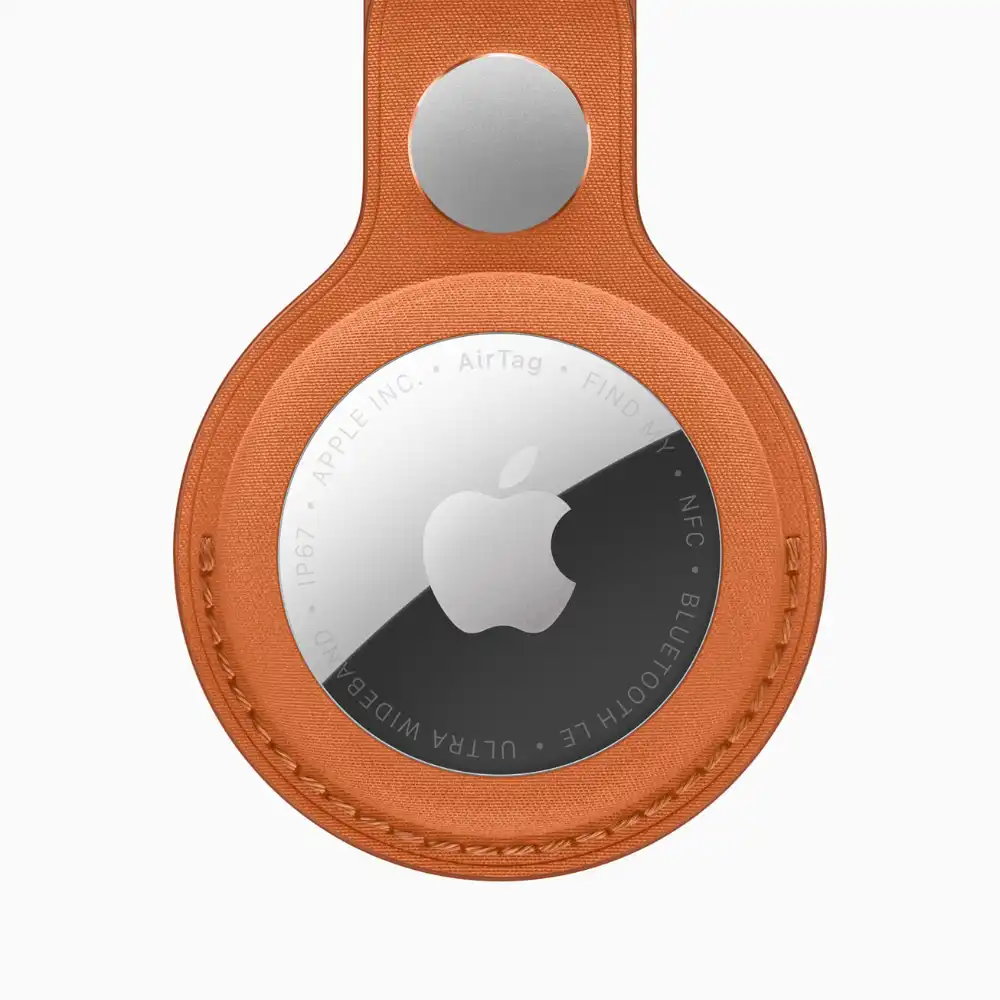
Apple introduced the new AirTag on January 26, 2026, bringing significant upgrades to its popular item tracker. The second-generation device features a 50 percent louder speaker, extended Precision Finding range, and for the first time, Apple Watch compatibility. Since launching in 2021, AirTag has helped millions reunite with lost luggage, keys, bicycles, and other belongings through Apple’s Find My network.
The new AirTag maintains the same pricing as its predecessor at $29 for a single unit and $99 for a four-pack, with free personalized engraving available. This represents a substantial value proposition given the enhanced capabilities. The device is powered by Apple’s second-generation Ultra Wideband chip, the same technology found in the iPhone 17 lineup and Apple Watch Series 11, enabling Precision Finding from up to 50 percent farther away than the previous generation.
For users wondering about the previous model, discounted options remain available. Amazon currently offers the first-generation four-pack for $69.99, creating an interesting decision point for budget-conscious consumers. Related coverage on tech upgrades can be found in our analysis of Microsoft’s latest AI investments and Adobe’s 2026 software updates.
AirTag Evolution: What’s Changed?
Compare the specifications between the new 2026 model and the previous generation to decide which version suits your needs.
🌱 Environmental Commitment
Part of Apple 2030 carbon neutral initiative, the new AirTag is designed with sustainability in mind:
The enhanced features address practical tracking challenges that users frequently encounter. The 50 percent louder speaker enables users to hear their AirTag from up to twice the distance of the previous model, according to Apple’s official announcement. This improvement proves particularly valuable when searching for items hidden between couch cushions or underneath furniture.
The integration with Share Item Location represents a significant development for travelers. Apple partnered with more than 50 airlines to accept Share Item Location links, allowing passengers to securely share AirTag locations with airline customer service teams. SITA, a leading IT provider for airlines, reports that carriers using Share Item Location have experienced a 26 percent reduction in recovery time of delayed bags and a 90 percent decrease in truly lost or unrecoverable luggage.
Apple Watch users gain new functionality with this release. Precision Finding now works on Apple Watch Series 9 or later and Apple Watch Ultra 2 or later, requiring watchOS 26.2.1. The feature uses haptic, visual, and audio feedback to guide users toward lost items directly from their wrist. This marks the first time Apple Watch has supported Precision Finding for AirTag, previously exclusive to iPhone devices with compatible Ultra Wideband chips. For context on Apple’s broader hardware strategy, see our coverage of Apple’s AI wearable development.
The new AirTag maintains industry-leading security features designed to prevent unwanted tracking. The device doesn’t physically store location data or history, and end-to-end encryption protects all Find My network communication. Only the device owner can access location data, with Apple unable to identify or locate any device that helped find an AirTag. The system incorporates cross-platform alerts and frequently changing Bluetooth identifiers as anti-stalking protections.
Environmental responsibility remains central to the product design. As part of Apple 2030, the company’s carbon neutral initiative, the new AirTag contains 85 percent recycled plastic in the enclosure, 100 percent recycled rare earth elements in all magnets, and 100 percent recycled gold plating in all circuit boards. The packaging is 100 percent fiber-based and easily recyclable. The device maintains the same form factor as the original, ensuring compatibility with all existing AirTag accessories.
The Find My network functions as a crowdsourced system where Apple devices use Bluetooth to detect AirTag locations and report approximate positions to owners. This passive tracking system protects user privacy while enabling effective item recovery. The network’s strength comes from the vast number of Apple devices globally, creating extensive coverage without requiring cellular connectivity in the AirTag itself. Security concerns in tech continue to evolve, as highlighted in our report on recent credential database exposures.
The new AirTag represents an incremental but meaningful upgrade to Apple’s item tracking ecosystem. The extended range, louder speaker, and Apple Watch support address real-world tracking challenges while maintaining the accessible $29 price point. The Share Item Location integration with airlines provides tangible benefits for travelers, backed by measurable reductions in lost luggage incidents.
Consumers face a straightforward choice between paying full price for enhanced features or saving $30 on the discounted previous generation. The older model remains functional for basic tracking needs through the Find My network, though it lacks the extended range, louder speaker, and Apple Watch compatibility. Both versions share the same fundamental tracking capabilities and privacy protections that have made AirTag a popular accessory since 2021.
The new AirTag is available for order on apple.com and the Apple Store app, with Apple Store availability following later this week. Authorized resellers will also carry the device. Free personalized engraving remains available during checkout on apple.com and the Apple Store app. For related hardware developments, readers can explore our coverage of ASUS motherboard updates and broader tech industry trends.