
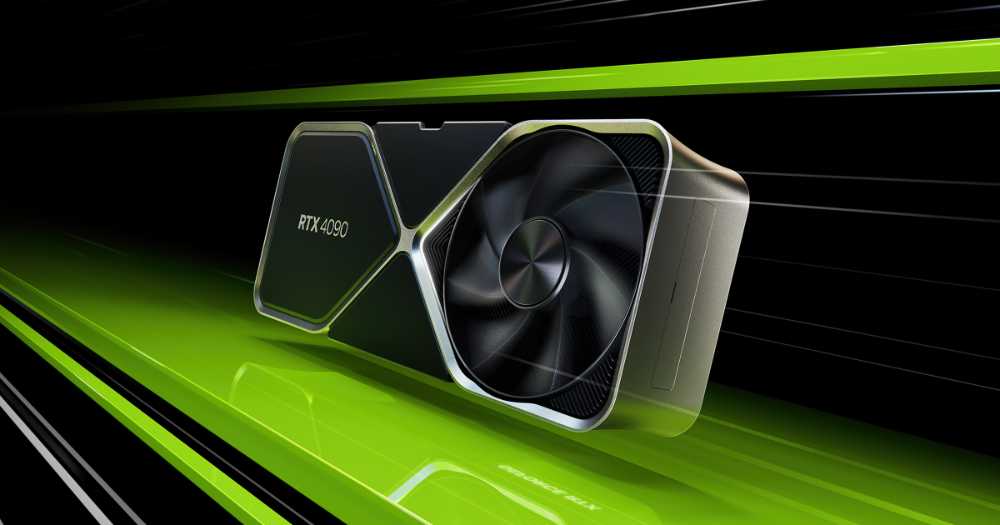
Leaked specifications for Nvidia’s next-generation GeForce RTX 60 Series have surfaced via YouTuber RedGamingTech, pointing to a lineup built on the Rubin architecture — the same platform Nvidia is currently deploying in its data centre products. The RTX 60 Series is widely expected to use GR20x chips manufactured on TSMC’s 3nm process node, a step up from the 4nm process used in the current RTX 50 (Blackwell) series. None of this has been officially confirmed by Nvidia.
The biggest headline from the leak is path tracing performance. According to the source, Nvidia is targeting a two-fold improvement in path tracing and ray tracing throughput over the RTX 50 Series — driven by new 5th-generation RT Cores and 6th-generation Tensor Cores. Rasterisation (standard rendering) gains are reported at a smaller 30–35%. The ongoing AI-driven DRAM shortage has already pushed the RTX 50 Super refresh into delay, and could similarly affect RTX 60 Series timing.
All specs below are unconfirmed leak data — not official Nvidia figures
Explore the Leaked Specs — Pick Your GPU
The interactive explorer below breaks down every leaked specification for the RTX 6090, RTX 6080, and RTX 6070. Select a card to see its die name, memory configuration, bus width, and how it compares to the current RTX 50 generation. The VRAM comparison bars use confirmed RTX 50 Series specs from Nvidia’s official product pages.
Interactive GPU Spec Explorer
What stands out in the mid-range is the memory bus upgrade. The RTX 5070 shipped with a 192-bit bus and 12 GB of GDDR7 — a spec that faced criticism from gamers. If the leak is accurate, the RTX 6070 would move to a 256-bit bus and 16 GB, a 33% wider bus and a meaningful jump for demanding workloads. The leak notes that final memory configurations depend on GDDR7 chip availability — a market still shaped by the current AI DRAM supply crunch.

Architecture Roadmap: Where RTX 60 Fits
Rubin is officially confirmed as Nvidia’s next data centre architecture — announced at Computex 2024 by CEO Jensen Huang and set for data centre production in H2 2026. Consumer RTX 60 Series cards using GR20x (gaming-specific) Rubin silicon are expected later, with multiple leakers pointing to H2 2027 as the realistic window, though delays remain possible given the ongoing DRAM supply shortage. The RTX 50 Super refresh, which was expected in Q3 2026, has also reportedly been delayed. At CES 2026, Jensen Huang stated that the future of gaming graphics would be more focused on neural rendering than raw rasterisation.
What the Leak Covers — A Summary
The specifications covered in this piece are drawn from a RedGamingTech leak published in March 2026. The leak described the RTX 6090 using GR202 silicon with 192 SMs, 32 GB of GDDR7 on a 512-bit bus, and a clock range of high-2 GHz to low-3 GHz. The RTX 6080 was described with a 320-bit bus and 20 GB GDDR7, and the RTX 6070 with a 256-bit bus and 16 GB GDDR7 — both representing 64-bit upgrades over their RTX 50 Series counterparts. The entire lineup was described as built on the Rubin architecture using TSMC’s 3nm process, with 5th-generation RT Cores and 6th-generation Tensor Cores targeting a two-fold improvement in path tracing over the RTX 50 Series. Rasterisation gains were described at 30–35%.
Nvidia has not commented on or confirmed any of these specifications. Final specs, memory configurations, and release timing remain subject to change, with the ongoing AI-driven DRAM shortage cited as a potential factor. Related developments in the technology space were also covered, including the Mac Pro discontinuation and broader AI and computing industry shifts in 2026.