
Asia-Pacific markets traded mixed on Tuesday, February 25, 2026, as investors weighed renewed tariff action by U.S. President Donald Trump and concerns that artificial intelligence tools could displace existing software companies. On Truth Social, Trump posted that any country wanting to “play games” with a recent Supreme Court decision “will be met with a much higher tariff.”
The comments followed the U.S. Supreme Court’s 6–3 ruling on February 20, 2026 in Learning Resources, Inc. v. Trump, which struck down tariffs enacted under the International Emergency Economic Powers Act (IEEPA). In response, Trump invoked Section 122 of the Trade Act of 1974, imposing a 15% temporary global import surcharge. Unlike IEEPA, Section 122 carries a strict 150-day statutory limit unless Congress votes to extend it.
“We expect limited changes to the agreements already in place and also as we expect President Trump to use these means to improve his bargaining position with those countries where agreements are being negotiated,” said Lorraine Tan, director of equity research at Morningstar. She added that she expects market reactions to remain muted.
Meanwhile, Anthropic debuted a new security tool for its Claude model in a limited research preview — a code-scanning service that identifies software vulnerabilities and suggests patches. This triggered a second consecutive day of pressure on cybersecurity and software stocks, with CrowdStrike retreating nearly 10% and Microsoft falling 3%. Chip-heavy markets in Japan, Taiwan, and South Korea, however, rose to record highs as AI hardware demand continues to drive semiconductor capex.

Asia-Pacific indices posted broad gains on Feb 25, 2026, led by chip-exporting economies. Data: official exchange sources.
Markets, Tariffs & AI — An Interactive Briefing
Use the tabs below to explore each story in depth. Click a panel to start.
Asia-Pacific Index Snapshot — Feb 25, 2026
Official closing prices. Chip-exporting nations led all gains. Data sourced from official exchanges.
The Tariff Pivot: One Week That Changed U.S. Trade Law
From IEEPA being struck down to Section 122 kicking in — here is what happened, step by step.
The AI Disruption Split: Hardware Wins, Software Rattled
Two sectors, two very different reactions. Chip makers posted records while cybersecurity stocks slid for a second straight session.
Where Markets Stand — Asia-Pacific & Policy Hubs
Tap or click any marker for index close data and the key policy event for that location.
Three Macro Catalysts Driving This Week’s Trade
China’s LPR decision, Nvidia earnings, and the State of the Union — all landing within 48 hours.
The People’s Bank of China held both benchmark lending rates at the February fixing. Source: Xinhua / PBOC. Mainland markets rose 1.06% as trading resumed after the Lunar New Year holiday. Hong Kong’s Hang Seng gained 0.66%, though healthcare stocks weighed — Labubu maker Pop Mart fell 5% after releasing a new toy series. Data: HKEX.
Nvidia Newsroom IR page. The quarter covers November 2025 – January 2026. Also: Nvidia Blackwell MLPerf benchmarks.
The SOTU focused on jobs and manufacturing. Trump expressed a “preference” to resolve Iran’s nuclear issues “diplomatically,” which briefly nudged oil lower. AI was mentioned in the context of the “Ratepayer Protection Pledge.” Transcript: White House.
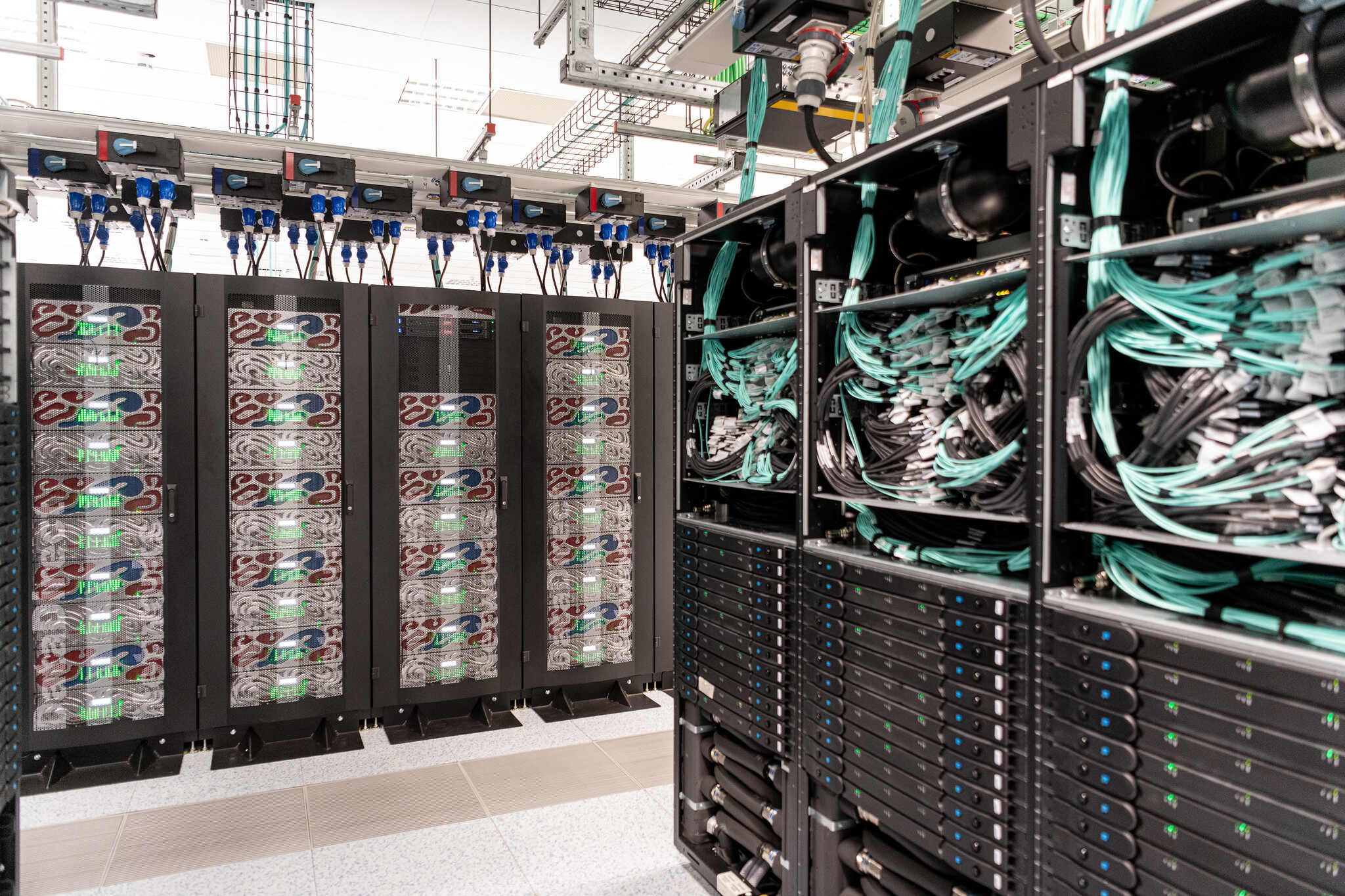
AI data centre hardware demand is the mechanical driver behind the semiconductor capex boom lifting markets in Japan, Taiwan and South Korea. Source context: Nvidia’s $500B U.S. chip plan.
This briefing covered Asia-Pacific index closes for February 25, 2026, the legal shift from IEEPA to Section 122 of the Trade Act of 1974, the CBP ACE system update, and the “Ratepayer Protection Pledge” from the State of the Union address. The article also covered Anthropic’s Claude Code Security launch and its effect on cybersecurity stocks, TSMC’s single-session gain of over 3.42%, and Nvidia’s Q4 FY26 earnings preview.
China’s People’s Bank of China held its Loan Prime Rate at 3.00% (1-year) and 3.50% (5-year) on February 24, 2026. Mainland Chinese markets rose 1.06% on the Lunar New Year return. The KOSPI’s 44% year-to-date gain and the Taiex’s 22% YTD rise were also covered, alongside European futures and commodity prices as of the early trading session on February 25.
The covered developments include the ongoing regulatory scrutiny facing TSMC and the broader U.S. semiconductor manufacturing push. The tariff impact on Big Tech balance sheets and the pace of Anthropic’s AI development cycle were also covered in this briefing.