
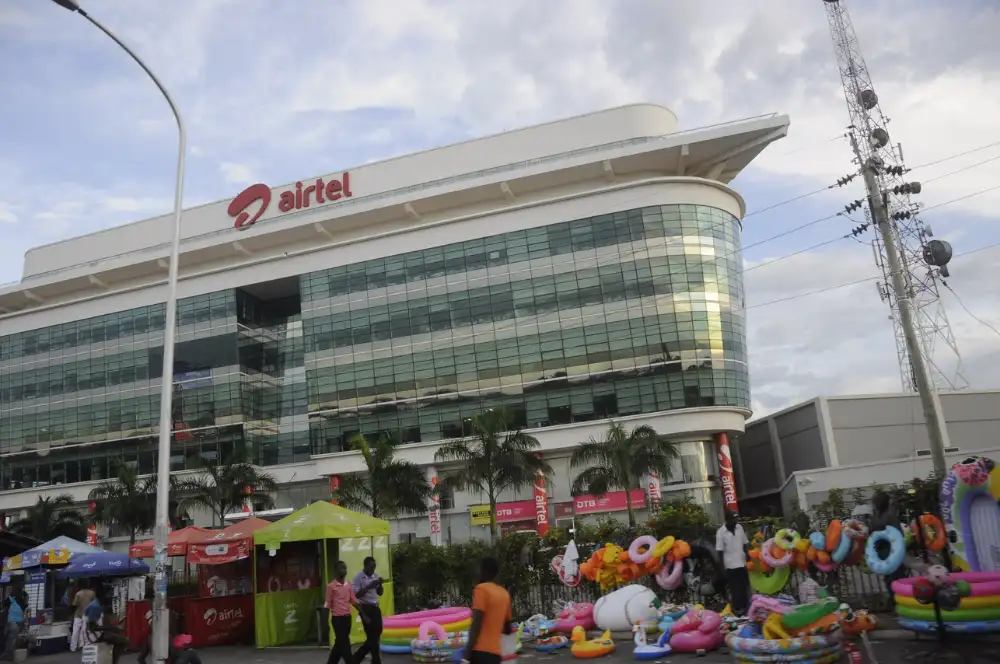
Airtel Africa announced a partnership with SpaceX on December 16, 2025, to deploy Starlink’s direct-to-cell satellite technology across all 14 of its African markets. The agreement positions Airtel as the first mobile network operator on the continent to offer this service, reaching 174 million subscribers across sub-Saharan Africa.
The satellite-to-mobile service launches in 2026, starting with text messaging and data for select applications. Customers with compatible smartphones will access network connectivity through Starlink satellites in regions where terrestrial coverage remains unavailable. The partnership includes support for next-generation satellites capable of delivering high-speed connectivity with speeds 20 times faster than earlier satellite-to-mobile technologies.
This development follows recent technology partnerships transforming digital access globally. In Nigeria alone, where Airtel serves 58.5 million customers with a 33.7 percent market share, the satellite connectivity addresses infrastructure gaps that have limited rural digital access.
Satellite Connectivity Reaches 14 African Nations
SpaceX partners with Airtel Africa to bring direct-to-cell technology to 174 million subscribers, enabling connectivity in areas where traditional infrastructure cannot reach
Partnership Scale
The collaboration relies on approximately 650 satellites to provide seamless connectivity in remote areas where traditional network deployment remains challenging. Sunil Taldar, Airtel Africa’s Managing Director and CEO, stated that “Starlink’s Direct-to-Cell technology complements the terrestrial infrastructure and even reaches areas where deploying terrestrial network solutions is challenging.”
Stephanie Bednarek, Starlink’s Vice President of Sales, added that “for the first time, people across Africa will stay connected in remote areas where terrestrial coverage cannot reach.” The service operates without requiring special equipment, working directly with standard smartphones.
Similar satellite connectivity initiatives have emerged globally, including communication platform expansions and mobile connectivity innovations that demonstrate the growing demand for universal digital access.
14 African Markets Covered
The partnership brings direct-to-cell satellite connectivity to millions across sub-Saharan Africa. Customers with compatible smartphones can access network connectivity through Starlink satellites even in areas where terrestrial infrastructure remains unavailable or unreliable.
33.7% market share
Deployment Timeline
Speed Performance
Next-generation satellites deliver dramatically faster connectivity compared to earlier satellite-to-mobile technologies
The rollout proceeds subject to country-specific regulatory approvals. Starlink currently holds licenses in nine of Airtel’s 14 operating markets, with applications pending for the remaining five countries. The partnership also includes exploration of additional collaboration opportunities to advance digital inclusion across the continent.
Airtel Africa operates in Chad, Democratic Republic of Congo, Gabon, Kenya, Madagascar, Malawi, Niger, Nigeria, Republic of the Congo, Rwanda, Seychelles, Tanzania, Uganda, and Zambia. The agreement marks a significant shift in Africa’s telecommunications landscape, following broader technology sector developments impacting digital infrastructure globally.
Last month, Kyivstar, Ukraine’s largest mobile operator, became the first European operator to launch Starlink’s direct-to-cell technology, demonstrating the viability of satellite-cellular integration during infrastructure challenges.
Service Capabilities
The Airtel Africa-SpaceX partnership addresses infrastructure challenges across 14 African nations. The service begins deployment in 2026, starting with basic messaging and data capabilities before expanding to high-speed broadband connectivity. Regulatory approvals in each market will determine specific launch timelines.
The collaboration represents one component of Africa’s broader digital transformation efforts, as mobile operators seek solutions for extending connectivity beyond areas served by traditional terrestrial networks. Both companies indicated plans to explore additional opportunities to support digital inclusion initiatives across the continent.
For readers interested in technology developments, related coverage includes mobile platform updates and broader digital technology trends.
Expanding Digital Access
The partnership addresses infrastructure challenges across sub-Saharan Africa. Both companies indicated plans to explore additional collaboration opportunities beyond the initial direct-to-cell service.