
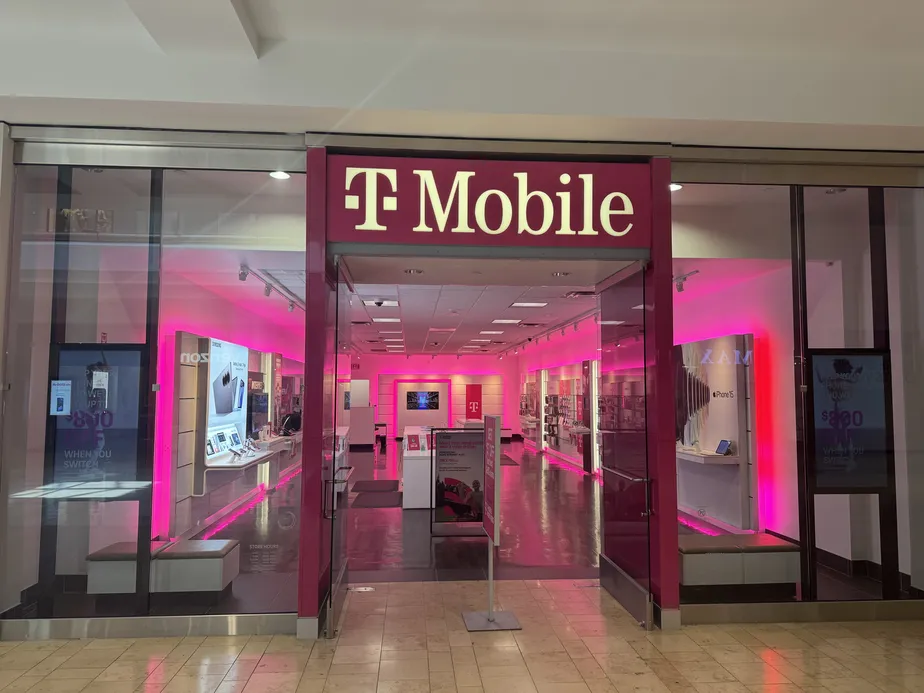
T-Mobile Ends Bill Payment Through Customer Support Representatives
T-Mobile has made a significant shift in how customers can pay their bills, discontinuing direct payment processing through customer support representatives. The wireless carrier has established new restrictions on bill payment methods, requiring customers to manage payments through their website, mobile app, or automated phone systems instead of speaking directly with support staff.
The policy change marks a substantial departure from customer service practices that have been standard in the telecommunications industry. Customers who previously relied on paying bills over the phone with a representative now face limited options if they want human assistance with their accounts. This move aligns with T-Mobile’s broader digital transformation strategy, pushing more customers toward self-service platforms.
Industry analysts point out that this change could impact customer satisfaction for those who prefer speaking with representatives about payment options or those who may have questions about their billing. The shift requires customers to navigate digital payment platforms independently, which may present challenges for older customers or those less comfortable with online transactions.
New Payment Methods Available
T-Mobile’s customer support channels still handle other account-related inquiries, but representatives can no longer process payments directly. This means customers must initiate all bill payments themselves through available digital channels. The company has not issued formal guidance on grandfathering existing customers who may have payment arrangements with representatives.
Customers can now pay through:
- T-Mobile official website
- T-Mobile mobile application
- Automated phone system
- Auto-pay enrollment options
Cost Efficiency vs Customer Convenience
The restriction appears to be part of a cost-efficiency initiative common among major carriers. By eliminating the need for representatives to handle payment processing, T-Mobile reduces labor costs and transaction processing expenses. However, this also means customers lose the convenience factor of handling payment alongside other support inquiries in a single call.
For customers with automatic billing set up, the change may go unnoticed. However, those who prefer to handle payments manually or make adjustments to billing arrangements will need to adapt to the new payment structure. T-Mobile’s website and mobile app offer payment processing, and customers can also use the automated phone system to arrange payments without speaking to a representative.
The company has updated its payment guidelines across multiple channels to inform customers of this change. Whether this will become an industry-wide trend remains to be seen, as other carriers continue to offer bill payment options through customer service representatives.
What Customers Should Know
Customers experiencing issues with digital payment platforms should contact T-Mobile support, though representatives cannot process payments directly. The company maintains support for payment-related questions and technical issues with its payment systems, even though the actual payment processing must be completed by customers themselves.
This change reflects broader industry trends toward digital-first customer interaction models. As telecommunications companies seek to reduce operational costs, shifts toward self-service platforms become increasingly common across the industry.