From Store Glitch to Silicon — Inside the Tech Behind Xbox’s Classic Game Revival
In March 2026, four delisted Xbox titles — Armed and Dangerous, Aegis Wing, Prince of Persia: The Sands of Time, and Mars: War Logs — briefly appeared as purchasable on the Xbox Store before being removed within hours. Each surfaced with incomplete placeholder data: Armed and Dangerous carried a $100 price tag and a wrong release date. The pattern was flagged by the Better xCloud datamining account, which monitors Microsoft’s cloud gaming backend for backend-level changes.
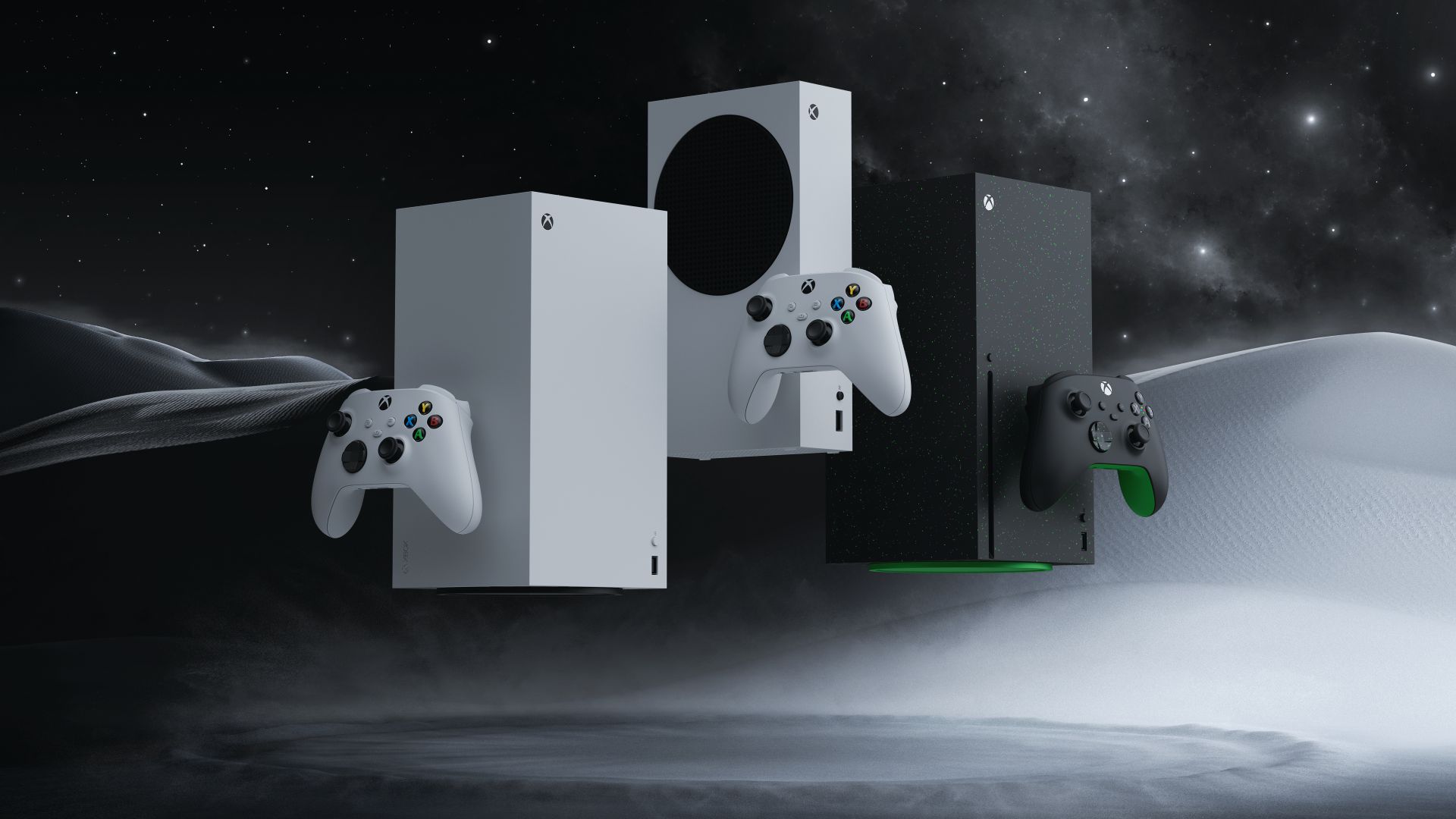
These appearances did not happen in a vacuum. At GDC 2026 in San Francisco, Xbox VP of Next Generation Jason Ronald confirmed that the Xbox Backwards Compatibility program — paused since 2021 after reaching licensing and technical limits — would return as part of Xbox’s 25th anniversary. His exact words: “new ways to play some of the most iconic games from our past.” The technical architecture behind that statement, and what it means for how classic titles actually run on modern and future hardware, is laid out below.
For context on how AI and hardware integration are shifting platform design across the industry in 2026, see our coverage of Apple’s 50th anniversary and platform decisions and Google Gemma 4 and the on-device AI race.
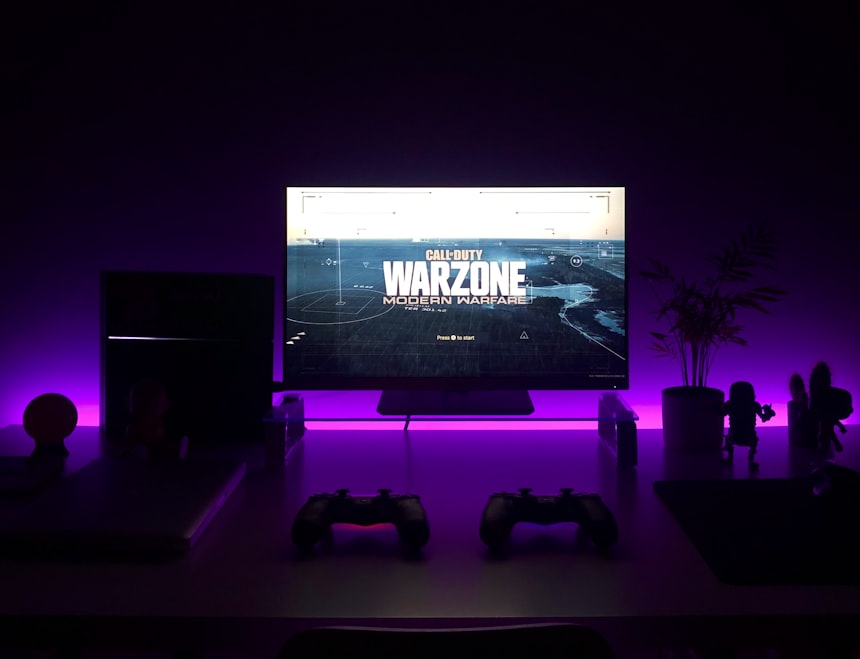
Xbox Series X — the platform currently running the full Xbox 360 OS virtualisation stack that enables backwards compatible titles.
How Xbox Backwards Compatibility Works — Layer by Layer
This is not simple emulation. Microsoft built a multi-layer virtualisation stack. Tap each layer to see what is actually running.
The game runs unmodified. Microsoft’s team does not touch the original binary. No code changes are made to any title. The game behaves as if it is running on its original hardware — because every layer below it is pretending to be that hardware.
The complete Xbox 360 operating system boots inside a virtual machine. You see the original 360 boot animation. From the OS’s perspective, it is running on real 360 hardware. The modern Xbox One OS sees the entire virtualised 360 environment as a single application — which is why modern features like cloud saves, screenshots, and streaming work over the top of a 20-year-old game.
The Xbox 360 used a triple-core PowerPC CPU. Xbox One and Series X|S use x86-64 CPUs — a completely different instruction architecture. Microsoft built a dynamic binary translator that converts PowerPC instructions to x86-64 in real time. Phil Spencer described this translation work as one of the largest technical investments in the program’s history.
The Xbox 360’s “Xenos” GPU is recompiled into a virtual GPU (vGPU) that runs on the modern hardware. Microsoft runs the entire 360 GPU pipeline in software on the modern GPU. This is where Auto HDR (tone-mapping injected on top of the pipeline) and FPS Boost (frame rate doubling) are applied — with zero changes to the game’s original rendering code.
The entire stack above runs on modern AMD RDNA 2-based hardware. The raw performance headroom of the Series X|S is what allows the emulation stack to run at speed while simultaneously boosting resolution, frame rates, and adding HDR — all without the original developer doing anything.
Project Helix is designed to run both Xbox console titles and PC games natively. Xbox games, Steam, Epic Games Store, and GOG titles are all first-class on the same device. This is a fundamental shift from how any previous Xbox has worked.
Reports describe a translation layer that converts Xbox console system calls to Windows API calls — allowing legacy Xbox software to run inside the Windows environment that Helix is built on. This is architecturally more advanced than the current Series X|S virtualisation approach, which ran the full 360 OS as a guest.
A DirectX 12 wrapper converts console-specific DirectX variants to standard PC DirectX 12 output. This is what allows older console graphics pipelines to run on Helix’s AMD RDNA 5 GPU — with FSR Diamond’s ML-powered upscaling and multi-frame generation then applied on top of the translated output.
Console memory is tightly coupled — fixed bandwidth, unified pools designed for specific hardware. PC memory architectures are more variable. The memory bridge maps console memory behaviour to the GDDR7 unified pool that Helix uses. This is one of the harder problems in making old console software run on a PC-based environment.
The base silicon: custom AMD System-on-Chip with RDNA 5 GPU, Zen 6 CPU, and a dedicated Neural Processing Unit (NPU) rated at up to 110 TOPS at 6W. AMD FSR Diamond — featuring ML-based multi-frame generation and neural texture compression — is natively integrated. Developer alpha kits ship in 2027.
The Xbox digital storefront, where four previously delisted backwards compatible titles temporarily resurfaced with placeholder pricing data in March 2026.
Four Delisted Titles That Briefly Reappeared on the Xbox Store
Flagged by the Better xCloud datamining account. None resulted in completed purchases. Tap each card for detail.
TAP CARD TO EXPAND · PHYSICAL DISC VERSIONS OF ALL FOUR REMAIN PLAYABLE ON XBOX SERIES X|S
Project Helix — What Microsoft Confirmed at GDC 2026
Custom AMD SoC details disclosed March 11, 2026. Developer alpha kits ship in 2027. Hover each block for detail.
“Project Helix is powered by a custom AMD SoC and co-designed for the next generation of DirectX and FSR. It delivers an order of magnitude leap in ray tracing performance and capability.”
— Jason Ronald, VP of Next Generation · Xbox Wire, GDC 2026
The Xbox backwards compatibility library spans original Xbox and Xbox 360 titles — over 600 at its 2021 peak, covering two generations of hardware.
The BC Catalog: How the Library Grew — and Where It Stopped
Each bar animates as you scroll to this section. The striped bar marks the announced revival.
“As part of our 25th anniversary later this year, we’ll be rolling out new ways to play some of the most iconic games from our past.”
— Jason Ronald, VP of Next Generation · Xbox Wire, March 11, 2026Key Technical Milestones in Xbox Backwards Compatibility
From the first PowerPC-to-x86 translation in 2015 through to Project Helix’s confirmed 2027 developer hardware
The store glitches involving Armed and Dangerous, Aegis Wing, Prince of Persia: The Sands of Time, and Mars: War Logs were covered here as instances of backend data surfacing briefly on the Xbox Store in March 2026. Physical disc copies of all four titles remain playable on Xbox Series X|S through the existing backwards compatibility infrastructure. Digital purchases of delisted titles remain unavailable to new buyers regardless of the temporary store appearances.
Jason Ronald’s GDC 2026 statement confirmed the preservation program would return for Xbox’s 25th anniversary in 2026, and Project Helix’s hardware architecture was disclosed at the same event — custom AMD SoC with RDNA 5, Zen 6, and a dedicated NPU, developer alpha kits in 2027. The specific titles, platforms, and technical details of the revival were not announced. The Xbox Play Anywhere catalog currently spans more than 1,500 games across console and Windows per Jason Ronald’s GDC presentation.
For related platform news in 2026, see Apple’s Siri and the AI platform deals shaping this year, iPhone hardware direction for 2026, and Samsung’s messaging platform shift in July 2026.