
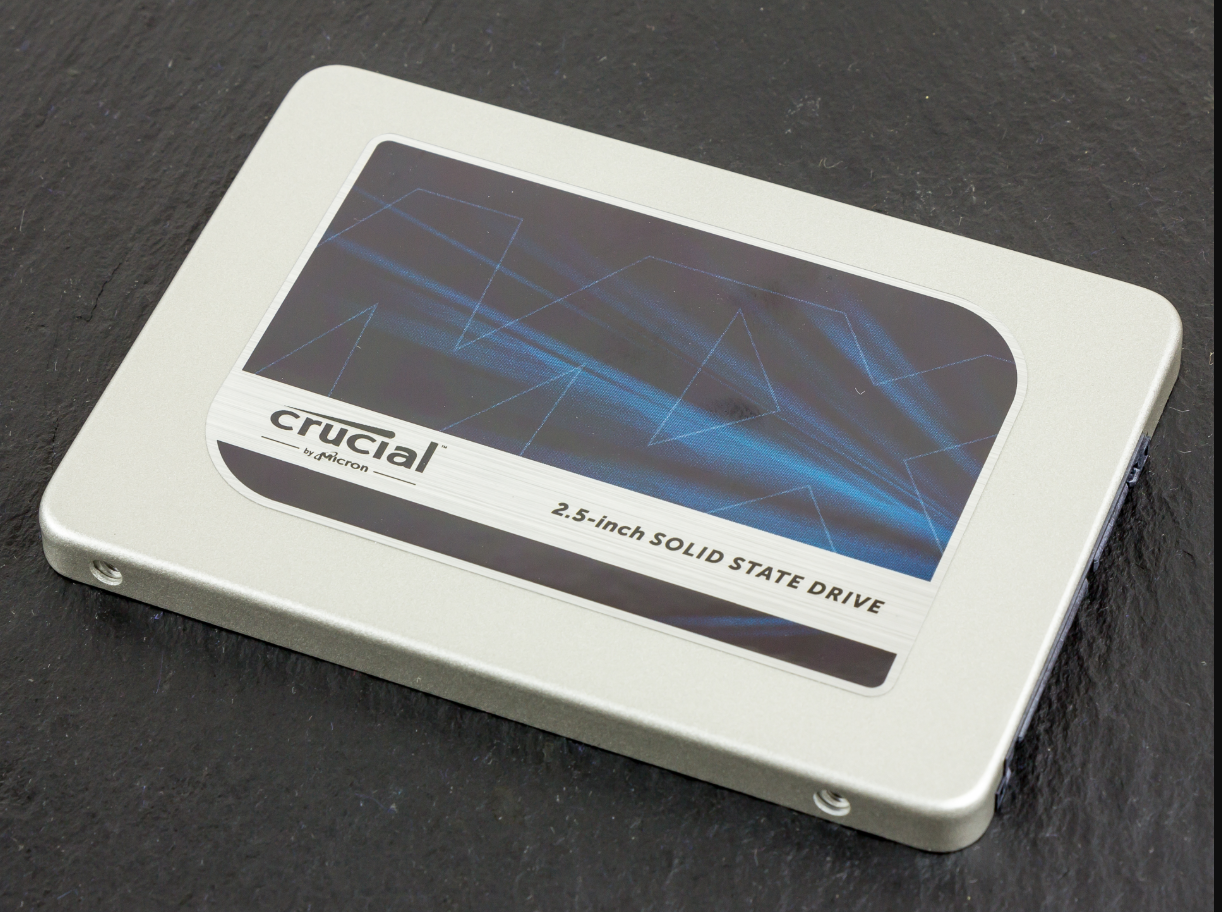
On December 3, 2025, Micron Technology announced the shutdown of its Crucial consumer memory business, ending nearly three decades of direct-to-consumer sales. The decision comes as the memory chipmaker faces unprecedented demand for high-bandwidth memory (HBM) used in artificial intelligence data centers, forcing a strategic reallocation of manufacturing capacity away from consumer products like RAM sticks and solid-state drives.
The company will continue shipping Crucial-branded products through February 2026 before completely exiting the consumer channel. This move occurs against a backdrop of global memory shortages affecting everything from smartphones like Samsung’s Galaxy devices to data center infrastructure, where AI workloads are consuming memory capacity at an unprecedented rate.
Micron Exits Consumer Memory Market
AI Data Center Demand Drives Strategic Shift Away from Crucial Brand Products as Memory Shortage Intensifies
Key Numbers Behind the Decision
Micron’s pivot reflects the explosive growth in AI infrastructure. The company’s HBM revenue reached nearly $2 billion in its fiscal fourth quarter (ending August 2025), with CEO Sanjay Mehrotra announcing an annualized run rate approaching $8 billion in September 2025.
Micron’s stock dropped 2.6% in afternoon trading following the announcement, though shares remain up approximately 180% year-to-date as of early December 2025, driven by strong demand for AI memory solutions.
Consumer vs. AI Memory: Understanding the Shift
The difference between consumer memory and AI data center memory reveals why Micron made this strategic choice. HBM chips used in AI accelerators deliver significantly higher profit margins and command premium pricing compared to consumer DRAM and SSDs.
HBM Revenue Growth Trajectory
Micron’s HBM business has shown remarkable quarter-over-quarter growth. The fiscal fourth quarter (ending August 2025) saw HBM revenue reach nearly $2 billion, more than doubling sequentially for the second consecutive quarter. This growth pattern demonstrates the surging demand from AI chip manufacturers for high-performance memory solutions.
Note: Q4 FY2025 (August 2025) represents actual reported data. Projections based on $8B annualized run rate guidance from CEO Sanjay Mehrotra, September 2025.
Timeline: Micron’s Strategic Evolution
Micron’s decision to exit consumer memory represents the culmination of a multi-year strategic shift toward high-value data center products. The company has progressively increased its focus on HBM and enterprise solutions as AI infrastructure spending accelerated throughout 2025.
Industry Impact and Market Dynamics
Micron’s exit from consumer memory products creates ripple effects across multiple technology sectors. PC builders, hardware manufacturers, AI companies, and competing memory suppliers will all experience consequences from this strategic shift.
The announcement covered Micron’s decision to discontinue its Crucial consumer memory business effective February 2026, redirecting manufacturing capacity toward high-bandwidth memory for AI data centers. The company reported HBM revenue of nearly $2 billion in its August 2025 quarter, with an $8 billion annualized run rate, while cloud memory business showed 213% year-over-year growth.
The exit was discussed in the context of global memory supply constraints affecting semiconductors from consumer flash chips to enterprise HBM. Technology companies across the industry continue adapting to these supply dynamics. Micron’s shares declined 2.6% following the announcement, though the stock has gained approximately 180% year-to-date. The company stated it will work with partners through the transition and provide continued warranty support for existing Crucial products.