
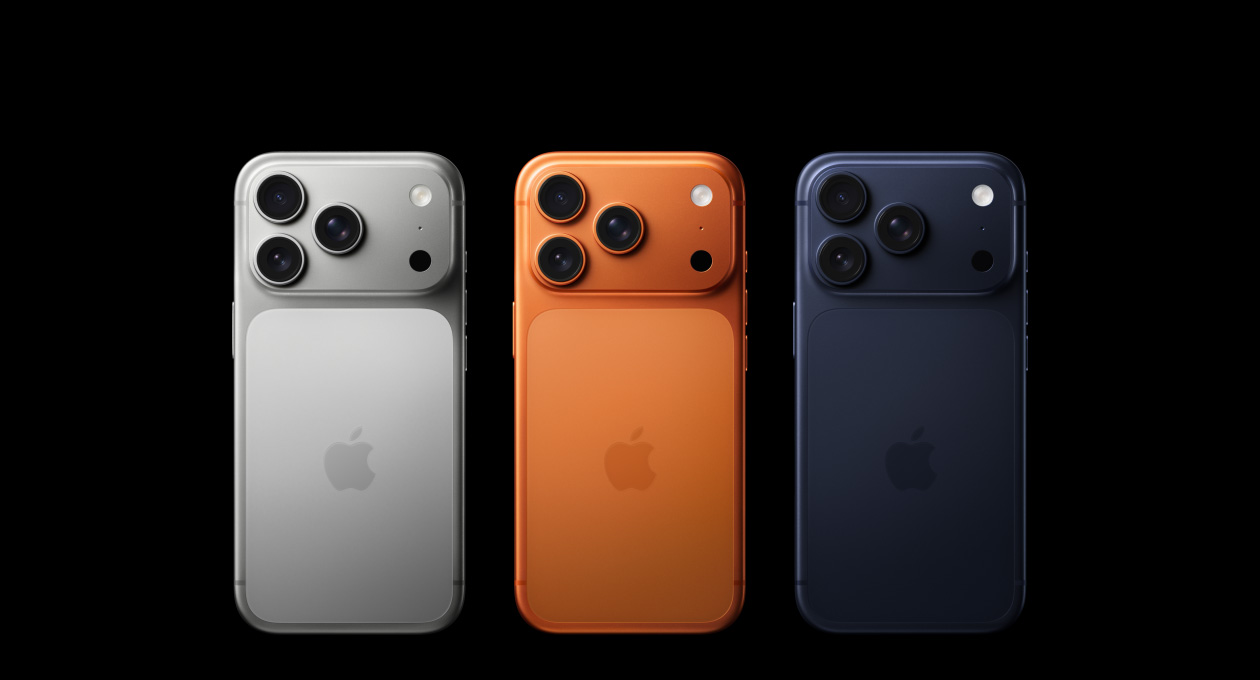
Apple plans to break from its traditional September iPhone launch strategy in 2026, splitting the iPhone 18 series across two separate events. According to recent leaks from Digital Chat Station, a tipster with over three million followers on Chinese social media platform Weibo, the iPhone 18 Pro and iPhone 18 Pro Max will arrive in fall 2026 with under-display Face ID technology, while the standard iPhone 18 and budget iPhone 18e may not launch until spring 2027.
The staggered release marks a departure from Apple’s consistent pattern of unveiling all new iPhone models simultaneously each September. The company launched the iPhone 17 series in September 2025, following its established timeline. Industry watchers suggest the extended development cycle for the base iPhone 18 could allow Apple to refine the device and ensure it represents a meaningful upgrade over the already strong iPhone 17.
All four expected iPhone 18 models will feature 120Hz LTPO OLED displays with adaptive refresh rates, according to the leak. However, the Pro models will exclusively receive under-display Face ID, eliminating the pill-shaped cutout that has defined recent iPhone designs. The Information reported in December 2025 that Apple would also relocate the front camera to the top-left corner on Pro models, though it remains unclear whether the Dynamic Island feature will persist for notifications and Live Activities.
iPhone 18 Launch Timeline & Specifications
Apple’s multi-phase rollout strategy spans fall 2026 through spring 2027
Staggered Release Schedule
First time Apple splits iPhone launches across two separate events in a single generation
Interactive Specifications Comparison
Select any model to view detailed technical specifications and launch timing
Information compiled from official Apple sources and verified industry leaks
Apple iPhone 17 Pro Apple Newsroom Security Coverage Tech NewsThe leaked display sizes closely match the iPhone 17 Pro lineup, with the iPhone 18 and iPhone 18 Pro measuring 6.27 inches (rounded from 6.3 inches), and the iPhone 18 Pro Max featuring a 6.86-inch display (rounded from 6.9 inches). The iPhone Air 2, positioned between the base and Pro models, will offer a 6.55-inch screen size.
Digital Chat Station’s track record includes accurate predictions about previous Apple releases, though the tipster notes all models remain in the prototype production phase. This means Apple could still test alternative configurations before finalizing specifications. The company typically evaluates multiple design variations during development, only committing to final specifications months before mass production begins.
The timing split creates an unusual gap in Apple’s product calendar. While Pro customers can upgrade in fall 2026, those waiting for the standard iPhone 18 face a six-month delay. Some reports suggest the iPhone Air 2’s launch window remains uncertain, with sources divided on whether it will arrive with the Pro models in fall or the base models in spring. The positioning of this ultra-thin model could prove crucial for Apple’s strategy, as the original iPhone Air reportedly faced lackluster sales that led Apple to slash production.
The prototype production phase indicates Apple maintains flexibility to adjust specifications based on testing results. Manufacturing partners have already begun preparing production lines, according to earlier reports from Fixed-focus digital cameras, suggesting the fall 2026 timeline for Pro models remains on track.
Apple has not officially commented on iPhone 18 specifications or launch timing. The company maintains strict confidentiality around unreleased products and typically announces new iPhones at press events scheduled weeks before retail availability. Given the iPhone 17’s September 2025 launch, a similar timeframe appears likely for the iPhone 18 Pro lineup in 2026.
The staggered release strategy could help Apple manage an increasingly crowded product portfolio that now spans multiple price points and form factors. By spacing launches throughout the year, each model receives dedicated attention rather than competing for coverage at a single event. This approach has precedents in Apple’s history, including delayed launches for specific models when production or design considerations warranted additional development time.