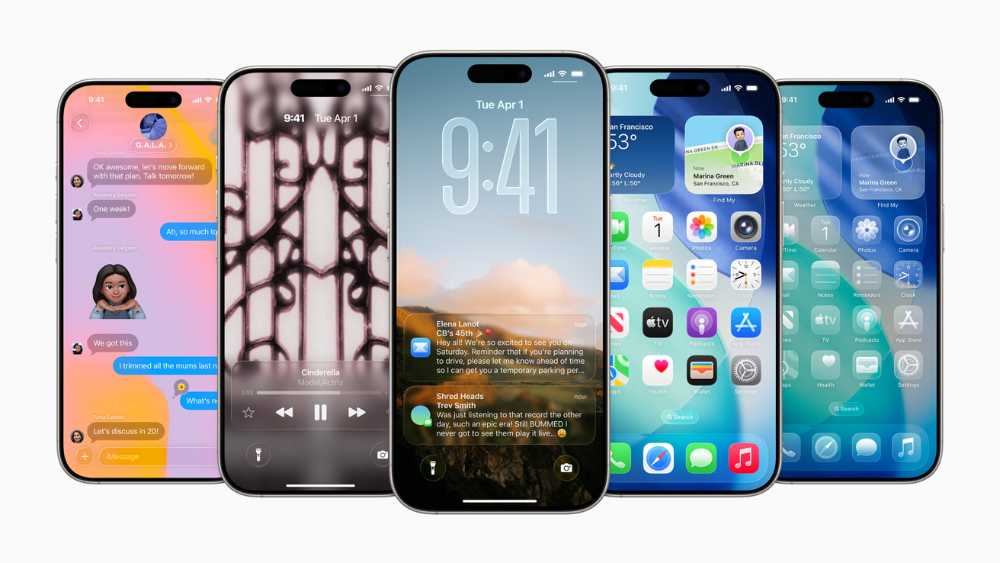
Apple released iOS 26.3 on February 11, 2026, delivering critical security patches alongside functional improvements. The update addresses 39 security vulnerabilities, including one zero-day flaw (CVE-2026-20700) actively exploited in sophisticated attacks. Beyond security fixes, iOS 26.3 introduces a Transfer to Android tool, enhanced privacy controls for precise location sharing, and visual customization updates splitting Weather and Astronomy wallpapers into separate categories.
The zero-day vulnerability in dyld (Dynamic Link Editor) allows attackers to execute arbitrary code when chained with previously patched WebKit flaws from December 2025. Apple confirmed the vulnerability “may have been exploited in an extremely sophisticated attack against specific targeted individuals” before iOS 26. Security researchers attribute the discovery to commercial spyware operations, making immediate installation essential for all compatible devices.
European users gain additional functionality through Digital Markets Act compliance features, including third-party device pairing, NFC access for non-Apple apps, and cross-platform communication tools. The update also tested end-to-end encrypted RCS messaging in beta builds, though this feature remains unreleased pending carrier adoption. Device performance across the iPhone 11 and later models continues to improve with stability enhancements in iOS 26.3.
iOS 26.3 Security & Feature Breakdown
Interactive Dashboard: Critical Updates, New Tools & Device Compatibility
Older devices (iPhone XS, iPhone XS Max, iPhone XR, iPad 7th generation) receive iOS 18.7.5 and iPadOS 18.7.5, which do not include the CVE-2026-20700 dyld zero-day fix. Users of these devices face continued vulnerability to the actively exploited flaw.
Install iOS 26.3 to secure your device against active exploits
CVE-2026-20700 was deployed in targeted spyware campaigns against high-value individuals including government officials, journalists, and activists. While most iPhone users face low direct targeting risk, publicly disclosed exploits enable broader attacks once technical details circulate.
Warning indicators: Unusual battery drain, device overheating without intensive use, unfamiliar app installations, unexpected system behavior.
Prevention methods: Install iOS 26.3 immediately. Restart devices regularly to disrupt persistent malware. Never open links or attachments from unverified senders. Confirm sender identity through alternative communication channels before clicking suspicious content.
Critical notice: Apple threat notifications never request link clicks, file downloads, app installations, or password entry. Legitimate alerts only inform—they never solicit action. High-risk users should enable Lockdown Mode for maximum protection, accepting reduced functionality for enhanced security.
If you suspect device compromise, immediately stop using the affected iPhone or iPad. Spyware can sometimes be temporarily disrupted by powering off and restarting, though this does not remove sophisticated implants.
iOS 26.3 was released on February 11, 2026, addressing 39 security vulnerabilities including one actively exploited zero-day flaw (CVE-2026-20700). The update introduced Transfer to Android functionality for cross-platform data migration, Limit Precise Location privacy controls for select devices with Apple modems, and reorganized wallpaper categories separating Weather and Astronomy options. European users received Digital Markets Act compliance features including third-party device pairing, NFC access, cross-device communication tools, and Notification Forwarding for non-Apple smartwatches.
Compatible devices include iPhone 11 and later, iPad Pro (3rd generation and newer), iPad Air (3rd generation and later), iPad (8th generation and later), and iPad mini (5th generation and later). Apple also released macOS Tahoe 26.3, watchOS 26.3, tvOS 26.3, and visionOS 26.3 with matching security patches. Older devices (iPhone XS/XR, iPad 7th generation) received iOS 18.7.5 without the critical dyld zero-day fix.
The security vulnerabilities patched in iOS 26.3 included the dyld zero-day, multiple WebKit rendering engine flaws, and three kernel-level issues. End-to-end encrypted RCS messaging appeared in beta testing but remains unreleased, pending carrier implementation following Apple’s anticipated iOS 26.4 release. Installation instructions require navigating to Settings → General → Software Update to download iOS 26.3. Related developments include Snapdragon X2 vs Apple M5 performance comparisons and YouTube’s Vision Pro app launch with 3D VR180 support.