
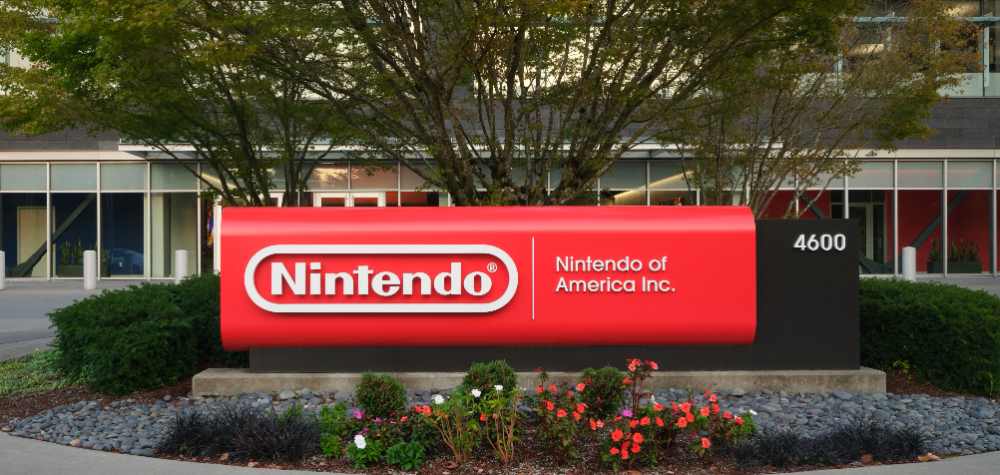
Nintendo of America filed a lawsuit against the U.S. government on March 6, 2026, joining over 1,000 companies seeking refunds for tariffs ruled illegal by the Supreme Court. The gaming company targets multiple federal agencies over duties paid under the International Emergency Economic Powers Act of 1977, which the Court struck down in February 2026.
The lawsuit arrived days after Judge Richard Eaton of the U.S. Court of International Trade ordered the government to begin processing refunds. U.S. Customs and Border Protection disclosed it collected approximately $166 billion in IEEPA tariffs from over 330,000 importers, but stated it cannot immediately comply with refund orders due to technical limitations. The agency proposed a 45-day timeline to develop an automated refund system.
Nintendo manufactures consoles and accessories primarily in Vietnam and China, both heavily affected by the tariffs. The timing proved particularly difficult for the company, which was preparing to launch the Switch 2 console when tariffs were announced. The company delayed U.S. preorders from April 9 to April 24, 2025, and increased accessory prices while keeping the console at $449.99.
Nintendo’s Legal Battle Over Tariff Refunds
Gaming giant seeks repayment after Supreme Court rules presidential tariffs unlawful
The Tariff Timeline
From tariff implementation to Nintendo’s legal response
Key Parties in the Lawsuit
Plaintiff
- Nintendo of America – Redmond, Washington-based gaming company serving as importer of record for goods subject to IEEPA duties
Defendants
- U.S. Department of the Treasury – Secretary Scott Bessent
- Department of Homeland Security – Former Secretary Kristi Noem
- U.S. Customs and Border Protection – Commissioner Rodney Scott
- Office of U.S. Trade Representative – Jamieson Greer
- Department of Commerce – Secretary Howard Lutnick
Legal Precedent
- Costco – Filed similar lawsuit for tariff refunds
- FedEx – Filed similar lawsuit for tariff refunds
- 24 States – Challenging new Section 122 tariffs under Trade Act of 1974
Impact on Nintendo and Gaming
Production Shift
Nintendo moved production from China to Vietnam during Trump’s first presidency. The company prioritized Vietnam-made units for U.S. shipments to reduce tariff exposure, adapting supply chains to navigate trade policy changes.
Price Changes
Switch 2 console maintained $449.99 price, but accessories received increases due to tariff costs. Original Switch hardware and software prices rose in August 2025, attributed to market conditions including tariff impacts and component costs.
Launch Disruption
Nintendo delayed Switch 2 preorders from April 9 to April 24, 2025, citing the need to assess tariff impacts. The June 5, 2025 launch date remained unchanged, but the delay affected marketing momentum during the console’s critical reveal period.
What Nintendo Seeks
Legal Request
Nintendo’s lawyers argue the company has standing to sue because it served as the importer of record for goods subject to IEEPA duties. The lawsuit filed in the U.S. Court of International Trade states all tariffs collected under IEEPA duties must be refunded with interest. Nintendo claims it suffered injury from the tariffs and will face imminent and irreparable harm without court-ordered refunds.
Refund Process
U.S. Customs and Border Protection told the court it cannot currently comply with refund orders due to technical limitations. The agency proposed developing a new automated system within its Automated Commercial Environment platform. CBP stated this system could be operational in 45 days, requiring minimal submission from importers to process refunds and interest payments.
Legal Proceedings Continue
The lawsuit was filed in the U.S. Court of International Trade against the Treasury Department, Department of Homeland Security, U.S. Customs and Border Protection, Office of the U.S. Trade Representative, and Department of Commerce. Nintendo seeks prompt refunds with interest for duties paid under executive orders beginning February 1, 2025.
The Supreme Court’s February 20, 2026 decision in Learning Resources, Inc. v. Trump invalidated tariffs imposed under IEEPA, but left refund procedures to lower courts. Judge Richard Eaton’s March 5 order directed CBP to process refunds, though the agency cited unprecedented volume and technical constraints. More than 2,000 lawsuits have been filed by companies seeking to recover tariffs paid under the now-invalid executive orders.
The case remains in early stages with no timeline established for resolution. CBP’s proposed 45-day system development timeline extends into late April 2026, though actual refund processing could take additional time. Nintendo’s manufacturing operations continue in Vietnam and China, with the company monitoring ongoing trade policy developments that could affect future hardware production costs.