Apple Splits the Annual Bill: 12-Month App Subscriptions Now Pay Monthly
Apple has added a new payment structure to the App Store’s auto-renewable subscription system — one that lets users lock in an annual-rate discount while paying in 12 monthly instalments instead of one lump sum. Developers can configure the new option in App Store Connect starting today, with the feature going live to users alongside the iOS 26.5 release in May. Explore how it compares to existing plans, what it costs you month-to-month, and what the fine print says before you sign up.
The key detail buried in Apple’s official developer announcement is what “cancel any time” actually means under the new plan. Cancelling prevents the subscription from renewing after the 12 committed payments are complete — it does not stop the payments already agreed to. If a user cancels in month three, billing continues through month twelve, and the subscription does not renew once that period ends. This is structurally similar to how annual software contracts operate across the industry, where early exit rights exist but sunk costs do not disappear. The transparency model Apple is adopting here mirrors ongoing industry momentum around open, verifiable systems — including open-source leaderboard transparency in AI — where user-facing data visibility is increasingly a feature.
Apple’s system handles payment via the user’s Apple Account, which then debits the linked payment method. If a monthly payment fails, the account risks access restrictions — app updates can be blocked and the ability to download new apps may be limited, consistent with how Apple already handles failed in-app purchase transactions.
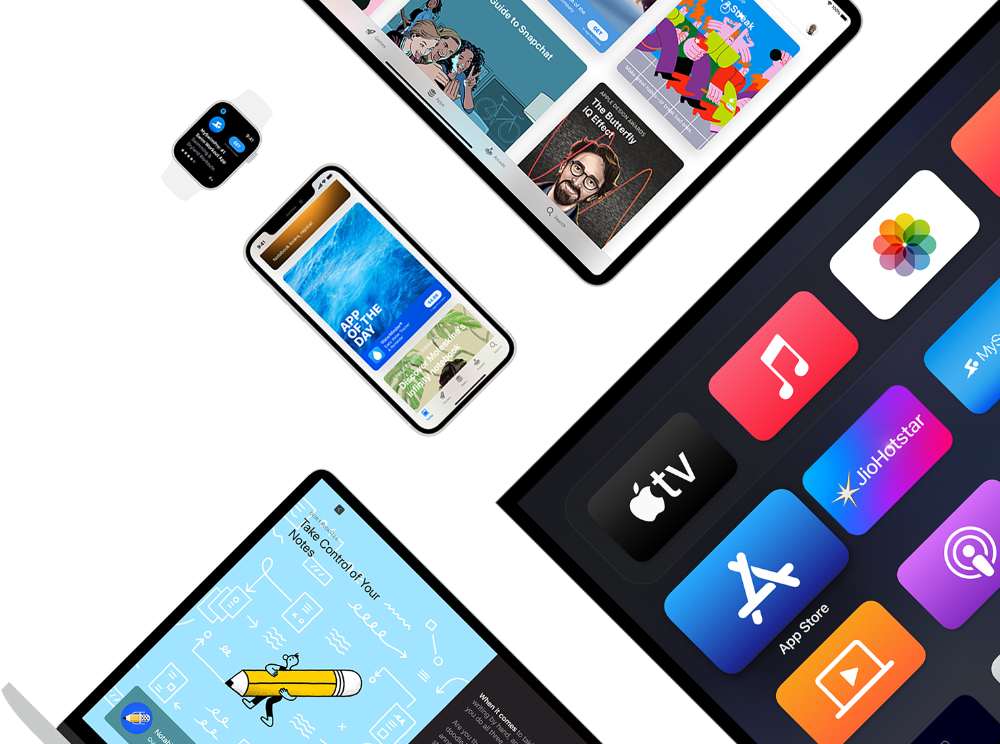
For developers, the new subscription type is available to configure in App Store Connect and test in Xcode today. It does not go live on the App Store until iOS 26.5 — and its iPad, Mac, Apple TV, and Vision Pro counterparts — ship in May. The feature is part of Apple’s broader push to expand auto-renewable subscription options, which already include weekly, monthly, and yearly durations. The 12-month commitment plan adds a new billing cadence without replacing any existing option.
App Store subscriptions already account for a meaningful share of Apple Services revenue, and developer interest in annual-style commitments with lower-barrier entry points has grown alongside tighter consumer budgets globally. Whether individual developers adopt the option, and at what price points, will determine how useful it proves in practice. The full-year commitment total is displayed to users before they agree, so the pricing structure is visible upfront. The subscription pricing shift also arrives as AI-powered apps push new monetisation models across the tech industry, with platforms rethinking how they structure recurring billing. For further context on platform-level update decisions, see how Windows 11 responded to user feedback on system updates.
Apple’s new 12-month commitment subscription type was covered here alongside its key terms, platform requirements, geographic exclusions, and the distinction between cancelling a renewal and stopping active committed payments. The feature is live for developers in App Store Connect and Xcode as of today. User access follows with iOS 26.5 in May, for all eligible platforms except the United States and Singapore. For more on how Apple and other platforms are restructuring pricing and terms, see our coverage of the OpenAI–Microsoft amended partnership and recent major tech deals. Developer documentation is available on Apple’s official subscriptions page.