Laptop Category
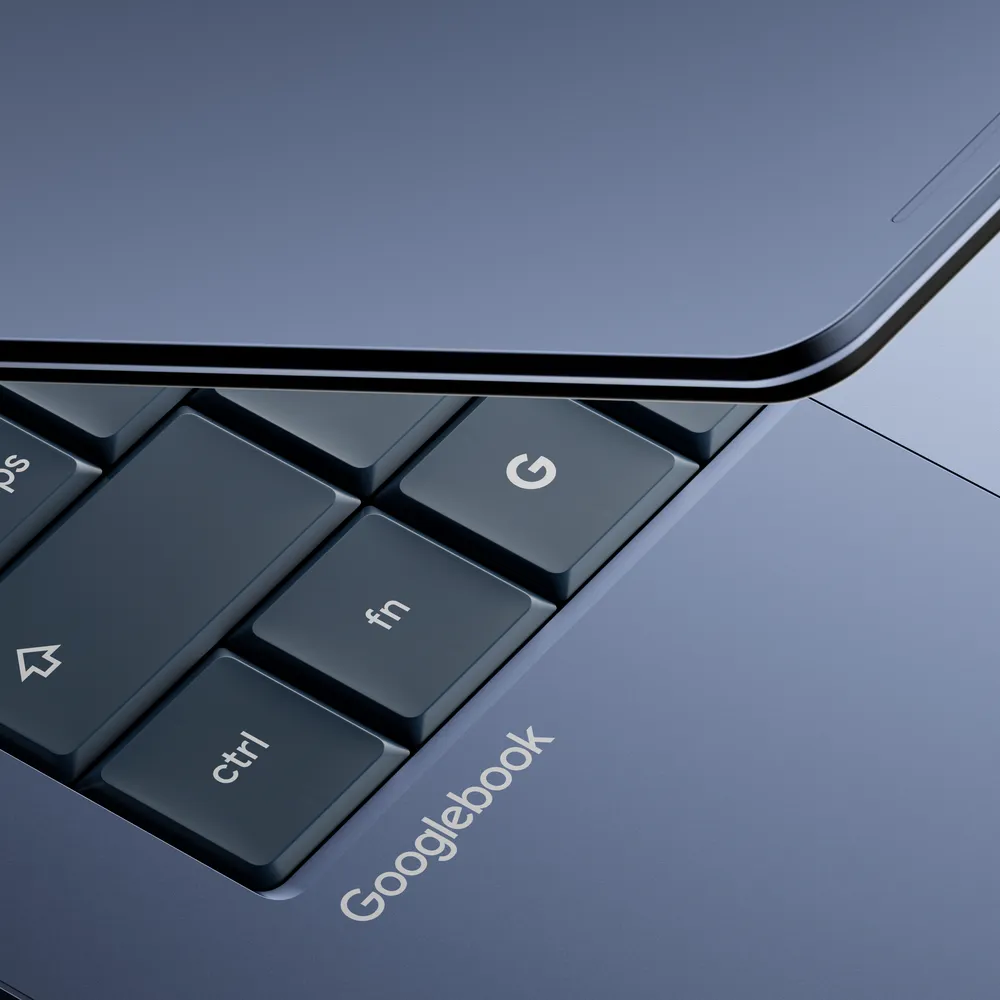
Google introduced a new category of laptop on 12 May 2026, during The Android Show. Called the Googlebook, it is built on a combination of the Android technology stack and ChromeOS, with Gemini Intelligence embedded into the operating system layer rather than added as a separate application. The announcement was written by Alex Kuscher, Google’s Senior Director of Android tablets and laptops.
Hardware from Acer, ASUS, Dell, HP and Lenovo will carry the Googlebook name. No pricing has been disclosed, though Google used the word “premium” multiple times in its official post. Devices are expected to reach retail this fall. Below is everything confirmed so far — no speculation, no padding.

From Cloud-First to
Intelligence-First
Fifteen years after the Chromebook, Google is rethinking what a laptop should be — with Gemini built into the OS itself, not bolted on top.
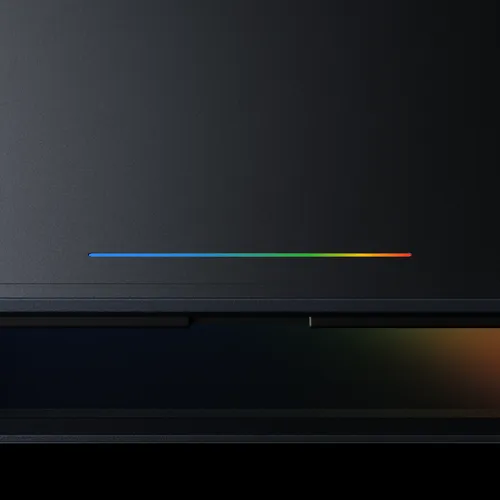
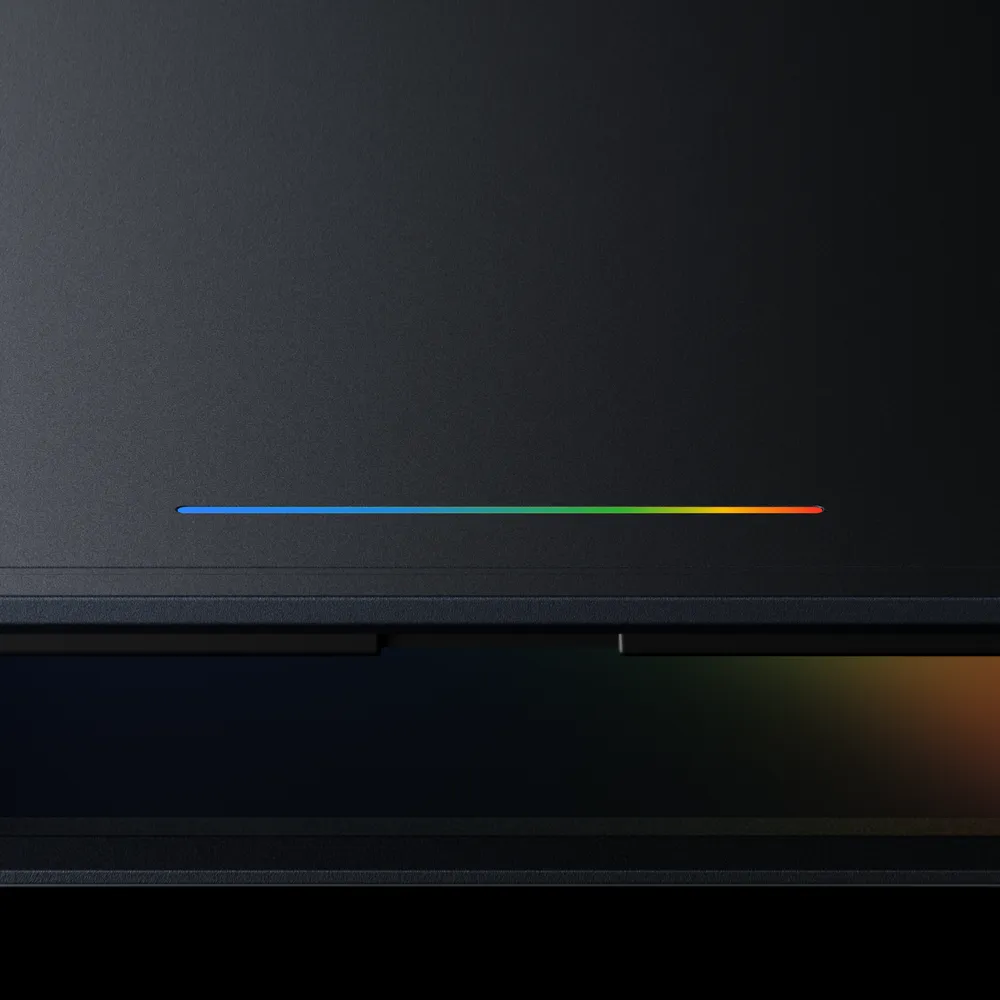
↑ The Glowbar — LED strip on every Googlebook lid
By the numbers
Chromebook launched
at launch
’26
availability
disclosed so far
Feature Explorer
What’s Actually New — Tap to Explore
Every confirmed feature from Google’s official announcement. Select each tab to see what it does and how it works.
Magic Pointer
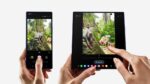
The cursor on a Googlebook does more than point. Wiggle the cursor and Gemini activates, reading whatever is on screen and offering context-aware options. Point at a date inside an email and it can schedule a meeting. Select two images — say, a sofa and your living room — and it visualises them together. Magic Pointer was developed in collaboration with the Google DeepMind team. It works across text and images, with different suggested actions depending on what is being highlighted.
Create Your Widget
Type a plain-language prompt and Gemini builds a custom desktop widget. It can pull data from Google Search, Gmail, Google Calendar, and other connected apps simultaneously. One example from Google’s announcement: a widget that consolidates upcoming flights, hotel bookings, restaurant reservations, and a countdown for a family trip — all assembled from Gmail and Calendar without any manual configuration. The same feature is being rolled out to Android devices and is coming to Googlebooks from day one.
Quick Access
The Googlebook file browser can see files stored on your connected Android phone directly, without transferring them first. Photos, screenshots, PDFs — anything stored locally on the phone can be viewed, searched, or inserted into work on the laptop. Google describes the feature in the official announcement as: “you can easily view, search or insert your phone’s files on your laptop — no transfers needed.”
Phone Apps on Laptop
Googlebooks can run Android phone apps directly, without downloading a separate laptop version. Google’s announcement uses a food-delivery order and a Duolingo language lesson as examples — tasks you can start and complete on the laptop without picking up your phone. This goes beyond the Android app emulation ChromeOS already supports. Because Googlebook is built partly on the Android tech stack, app compatibility is a native integration rather than a compatibility layer. For more on how hardware and software ecosystems are converging, the chip manufacturing landscape is relevant context.
Glowbar
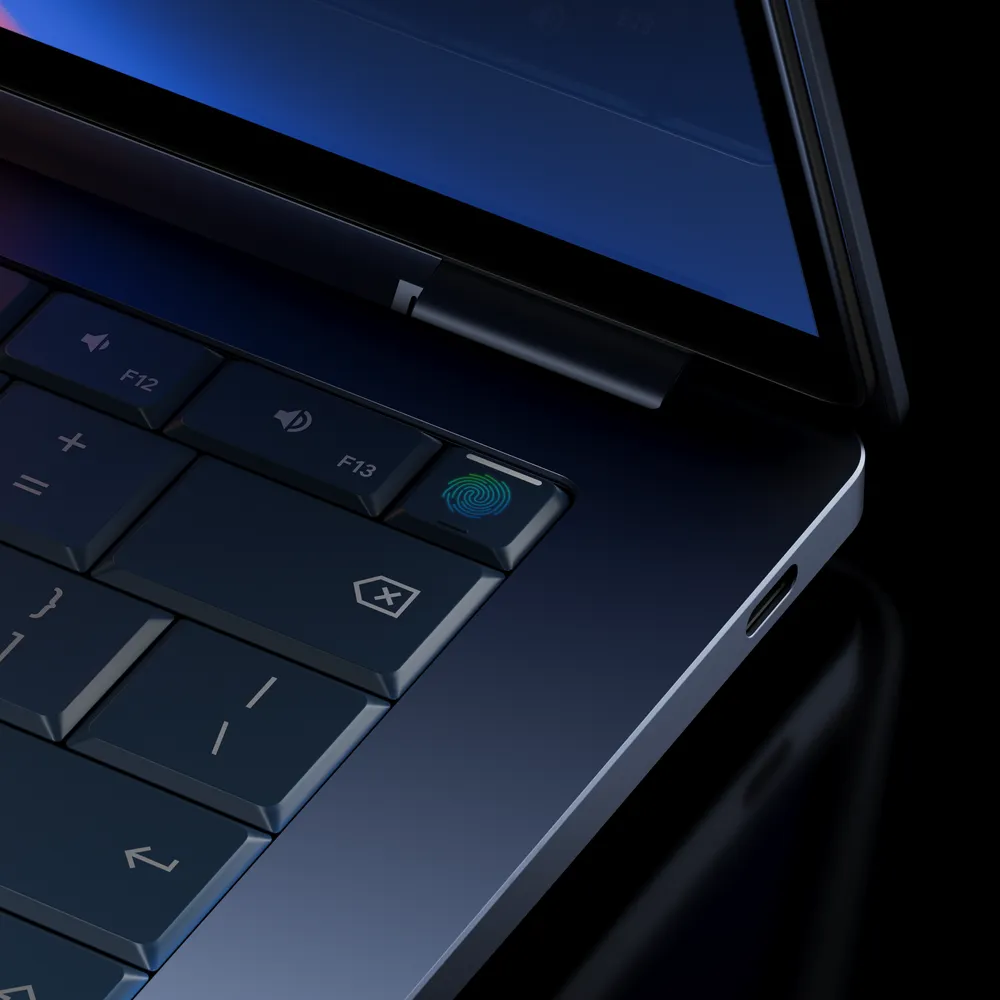
Every Googlebook from every manufacturing partner will carry an illuminated LED strip on the lid called the Glowbar. Google describes it as “both functional and beautiful.” The specific day-to-day uses have not been detailed. The original Chromebook Pixel, released in 2013, featured a similar rainbow light bar on the lid. Google is standardising the Glowbar across all Googlebook manufacturers — similar to how it enforces hardware standards for Chromebook Plus models. It also serves as the clearest visual cue that a device is a Googlebook and not a standard Chromebook or Windows machine.
Manufacturing Partners
Five Companies Building the First Googlebooks
Google is not manufacturing its own Googlebook hardware. The first devices will come from the same partners who have produced Chromebooks for years.
Pricing, chip specs, and screen sizes have not been announced. Google has used “premium” to describe build quality.
Side by Side
Chromebook vs. Googlebook — What Changed
Based only on details confirmed in Google’s official announcement. Anything unconfirmed has been left blank.
| Feature | Chromebook | Googlebook |
|---|---|---|
| Operating System Base platform |
ChromeOS | Android + ChromeOS combined |
| Gemini AI in OS Integration depth |
Partial (added via updates) | ✓ Built in from OS level |
| Magic Pointer AI cursor |
— | ✓ |
| Create Your Widget Prompt-based widgets |
— | ✓ |
| Quick Access (Phone Files) Phone integration |
— | ✓ |
| Android Phone Apps App ecosystem |
Via emulation layer | ✓ Native (Android stack) |
| Glowbar LED lid strip |
Chromebook Pixel only (2013) | ✓ Mandatory on all models |
| Hardware partners OEM support |
Broad (many manufacturers) | Acer, ASUS, Dell, HP, Lenovo |
| Price range Positioning |
Budget to mid-range | Premium (exact pricing TBA) |
Context Timeline
From Chromebook to Googlebook — 15 Years
Key milestones leading to the Googlebook announcement.
Over 15 years ago, we introduced the Chromebook, a laptop built for a cloud-first world. Now, as we are moving from an operating system to an intelligence system, we see an opportunity to rethink laptops again.
Alex Kuscher, Senior Director, Android Tablets & Laptops — Google Blog, May 12, 2026
What Was Covered
The Googlebook was announced on 12 May 2026 via Google’s official blog. The piece above covered its four confirmed software features — Magic Pointer, Create Your Widget, Quick Access, and phone app integration — along with the Glowbar hardware requirement, the five manufacturing partners, and the fall 2026 release window. No pricing or chip specifications have been confirmed by Google at the time of this article.
Broader context on how chip manufacturing and component supply trends are affecting hardware in 2026 is available in related Giganectar coverage. The Sony A7R VI and other premium hardware launches this year are being positioned alongside cross-platform software advances that frame where the broader tech industry is heading.