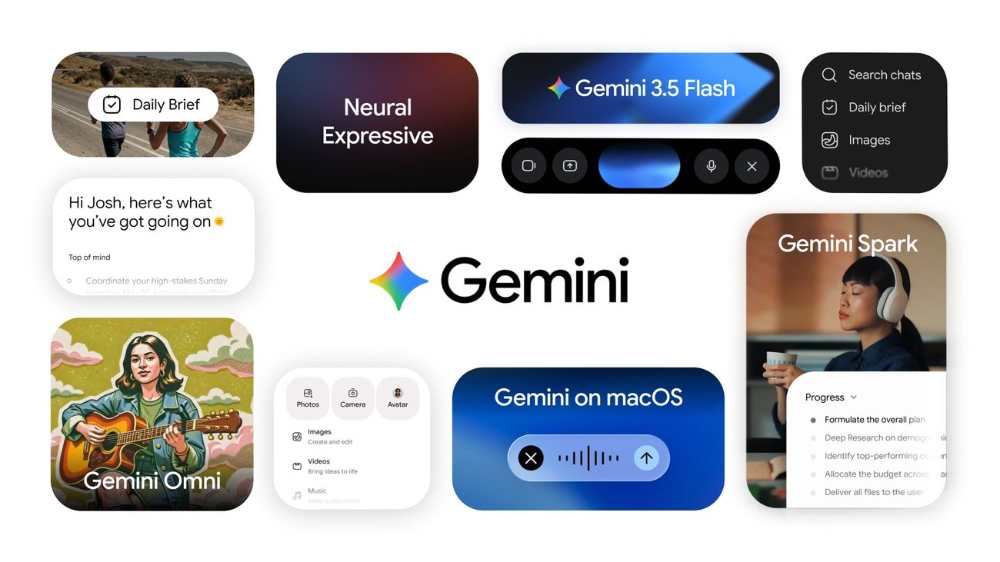
Gemini Spark functions as an AI assistant specifically designed for creative writing, brainstorming, and rapid idea development. The tool helps users generate content, refine writing, explore different angles on topics, and accelerate the ideation process. By offering wider access, Google aims to integrate AI writing assistance into the daily workflows of millions of users.
Growing Demand for AI Writing Assistance
The expansion comes as AI-powered writing tools gain mainstream adoption. Tools like ChatGPT, Claude, and others have demonstrated strong consumer demand for AI assistance with writing tasks. Google’s broader Gemini platform represents the company’s comprehensive response to the generative AI landscape, encompassing multiple specialized capabilities across different product categories.
Google Gemini Pro, the underlying model powering Gemini Spark, represents substantial investment in natural language processing and generative AI capabilities. The company has integrated Gemini into numerous products including Gmail, Google Docs, and other Workspace applications, creating an ecosystem where AI assistance becomes increasingly ubiquitous across productivity tools.
Strategic Expansion Signals Quality Confidence
Access expansion typically indicates Google’s confidence in the product’s quality and performance. Initial rollouts often target small user groups to identify issues, gather feedback, and refine capabilities. Broader expansion suggests the tool has met quality thresholds and feedback has been positive enough to justify wider deployment.
The strategic importance of Gemini Spark extends beyond individual productivity. Google aims to position Gemini as an essential component of professional workflows, competing directly with OpenAI’s offerings and positioning Google as a leader in AI-assisted productivity. Integration across multiple Google products creates ecosystem lock-in and increases user dependence on Google’s AI solutions.
Pricing Models and Accessibility
Pricing models for AI tools have emerged as a key competitive battleground. Some providers offer free tiers with premium options, while others use subscription-based access. Google’s approach with Gemini has been flexible, offering various access tiers to accommodate different user needs and budget constraints. This tiered approach maximizes potential user base while creating revenue streams from power users and enterprise customers.
The broader context includes increasing competition in the AI space. Microsoft has deeply integrated OpenAI’s models into its products, including Copilot across Windows, Office, and other applications. Apple is developing its own AI capabilities. Amazon has invested heavily in AI through AWS and partnerships. Google’s Gemini expansion represents strategic positioning within this increasingly competitive landscape.
Evolving Expectations for Productivity Software
User adoption of AI writing tools indicates shifting expectations about productivity software. What was considered advanced capability just months ago now represents baseline expectations. This rapid evolution in user expectations creates pressure on all technology providers to integrate AI capabilities to remain competitive.
Gemini Spark’s capabilities include helping users brainstorm ideas, draft content in multiple styles, refine existing writing, and explore different perspectives on topics. The tool can assist with professional communication, creative projects, academic writing, and general content generation across numerous use cases.
Privacy and Data Considerations
Privacy and data handling remain important considerations as users grant AI tools access to their writing and personal projects. Google’s privacy commitments and data handling policies become differentiators as users decide which AI tools to trust with their content and personal information.
The expansion of Gemini Spark reflects broader industry trends toward AI integration and democratization of advanced capabilities previously available only to specialized users or requiring technical expertise. As AI tools become more accessible, adoption rates accelerate and influence user expectations for what productivity tools should offer.
Integration with Google Ecosystem
The advantage of Gemini Spark within Google’s ecosystem is its integration with other Workspace tools. Users can leverage AI assistance directly within Gmail, Google Docs, and other applications they already use daily. This integration reduces friction in adoption and makes AI writing assistance a natural part of existing workflows.
Google’s multi-pronged AI strategy encompasses consumer products like Gemini Spark, enterprise solutions through Google Workspace, and foundational models and APIs for developers. This comprehensive approach positions Google as a significant player in the AI market regardless of which specific tools users ultimately prefer.