
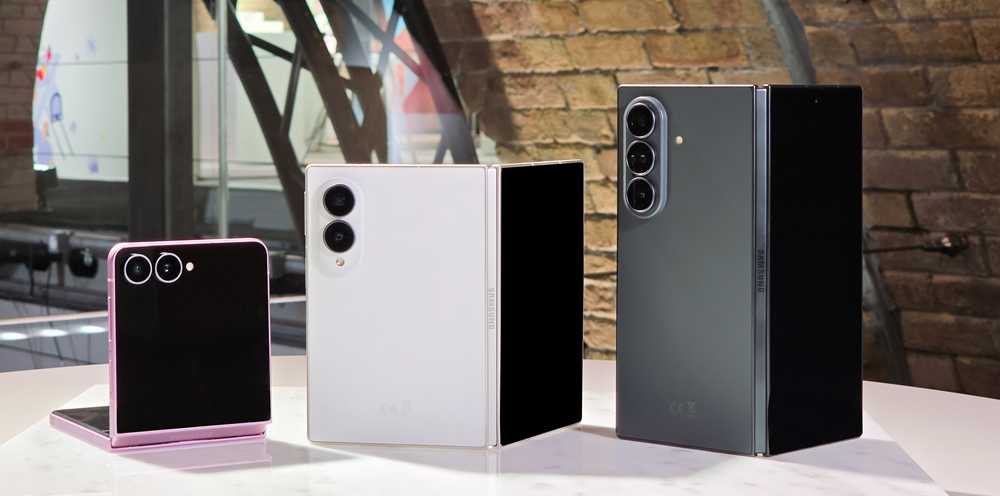
Samsung announced the Galaxy Z Fold 8 series on July 22, 2026, introducing its latest generation foldable smartphone with a significant design redesign that addresses previous generation limitations. The new lineup, becoming available August 5, 2026, features Samsung’s first true wide-screen foldable phone with a revolutionary 4:3 aspect ratio that fundamentally changes the foldable smartphone category.
The Galaxy Z Fold 8 introduces new display proportions with a 5.5-inch cover screen and 7.6-inch inner display, designed for different user experiences. The wider form factor allows one-handed use like a traditional smartphone while providing tablet-like functionality when unfolded. This landscape-oriented design departs from previous narrow-form foldables, addressing longstanding user feedback about practical usability.
The most visible improvement—reduced crease visibility—results from Samsung’s improved hinge mechanism that makes the display fold more flatly. Foldable phones have historically suffered from visible crease lines where the display folds. Samsung’s engineering advances on the Z Fold 8 demonstrate meaningful progress addressing this aesthetic concern, though the crease remains present to some degree.
Durability improvements include an IP48 rating for dust and water resistance, providing better protection against environmental contaminants than previous IP47 ratings. The cover display features Gorilla Glass Ceramic 3, reflecting Samsung’s commitment to protecting screens against drops and impacts. These specifications signal Samsung’s confidence in foldable durability for mainstream consumers.
The processing power comes from Snapdragon 8 Elite Gen 5, the latest flagship mobile processor delivering cutting-edge performance for demanding applications and games. Battery capacity reaches 4,800 mAh, adequate for foldable form factors, with support for 45W wired charging and 20W wireless charging. Internal storage configurations go up to 1024GB with 16GB RAM, targeting power users who need massive storage for content creation and professional applications.
Software runs Android 17 with One UI 9, Samsung’s latest operating system version. The Z Fold 8 launches at a premium price of $1,900 for the 256GB US model and €2,000 in Europe, positioning it as an ultra-premium device accessible only to affluent consumers. Samsung also offers Z Fold 8 Ultra and Z Fold 8 Plus variants with enhanced specifications at even higher price points.
The foldable smartphone market remains niche despite Samsung’s efforts. Foldables represent less than 5% of total smartphone sales globally, though this percentage grows annually. Samsung maintains approximately 80% market share in the foldable category, demonstrating the company’s dominance despite limited overall market penetration. High prices and durability concerns keep most consumers using traditional smartphones. Competitors are responding: OPPO’s Find N5 became the world’s thinnest foldable, intensifying design competition.
Samsung’s three-model strategy within the Z Fold 8 lineup reflects market segmentation thinking. The standard model targets mainstream foldable enthusiasts. The Plus variant adds incremental features for those wanting more. The Ultra tier represents the absolute highest-end option for consumers unwilling to compromise on specifications or features. Samsung is also doubling down on AI, investing $500 million to potentially replace Google Gemini with Perplexity on future Galaxy devices.
Practical productivity gains from foldables remain debated. Content creators, researchers, and professionals benefit from tablet-sized displays for specific tasks. However, casual consumers often find foldables unnecessarily complex compared to traditional phones. The learning curve for making effective use of foldable technology remains steeper than for standard devices.
Durability concerns persist despite Samsung’s improvements. The folding mechanism represents a mechanical failure point that traditional phones lack. Display repairs for foldables cost significantly more than standard phone repairs. Longevity questions about hinge durability over years of use remain unanswered for most consumers. These practical concerns limit mainstream adoption despite technological achievements.
The Galaxy Z Fold 8 launch timing aligns with Samsung’s summer flagship season. The July announcement followed by August availability maintains Samsung’s traditional product release cadence. Competitive offerings from Huawei and Google’s Pixel Fold provide alternatives, though Samsung’s market leadership remains clear. The Z Fold 8 represents Samsung’s confident bet that foldable technology is moving toward mainstream acceptance despite remaining niche status.