SoftBank AI sleep control expands to 24,000 base stations, cuts 5M kWh annually with 1.4x efficiency boost in Japan

GigaNectar Team

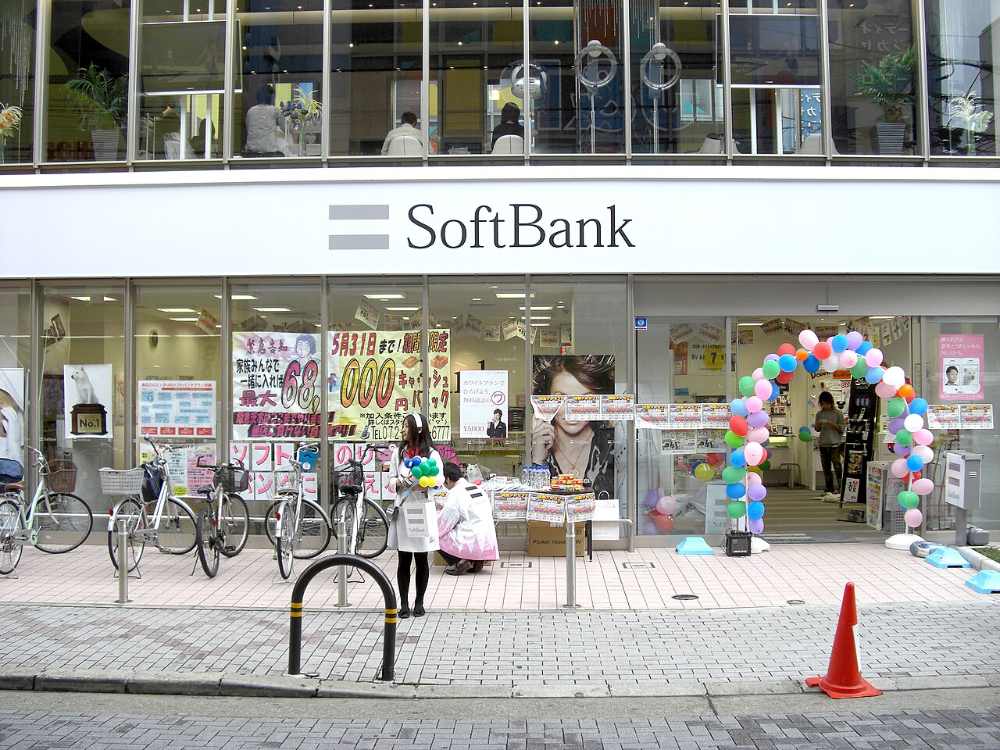
SoftBank retail store storefront in Hankyu-Ibaraki, Osaka, Japan showing the company's branding and signage

SoftBank Corp deployed an artificial intelligence system that dynamically controls base station sleep states across Japan. The technology analyzes real-time traffic patterns and people movement to determine when base stations can enter low-power mode without affecting service quality.

The AI solution differs from conventional methods by automatically setting customized thresholds for each base station based on processing capacity and surrounding infrastructure. This approach expanded the number of sleeping cells from approximately 14,000 to 24,000 sites, representing a 71% increase in energy-saving capacity.

AI-Powered Base Station Sleep Control

Real-time traffic analysis and dynamic power management for telecommunications infrastructure

24,000
Base Stations with AI Control
5M kWh
Annual Power Reduction
1.4x
Increased Sleep Duration
33%
CO₂ Cut (Renewable Sites)

How AI Sleep Control Functions

1
📊
Traffic Pattern Analysis
AI monitors communication traffic and analyzes movement patterns in each coverage area to identify low-usage periods
2
🎯
Automated Threshold Optimization
System sets customized thresholds for each base station according to processing capacity and number of surrounding base stations
3
🔄
Peripheral Capacity Check
AI verifies that adjacent base stations can handle redistributed traffic without congestion before sleep activation
4
💤
Low-Power Mode Activation
Base stations enter sleep state during minimal traffic periods while maintaining continuous service quality monitoring

Measured Energy Impact

Sleeping Base Stations Expansion 14,000 → 24,000
+71%
Sleep Time Extension Per Station 1.4x Longer
+40%
Annual Power Consumption Reduction 5 Million kWh
Yearly Savings

Conventional vs AI-Powered Control Systems

⚙️
Conventional Method
  • Uniform sleep thresholds applied to all base stations
  • Manual configuration and adjustments required
  • Static parameters with limited flexibility
  • Approximately 14,000 sleeping cells achieved
  • Fixed operational settings regardless of conditions
🤖
AI-Powered System
  • Dynamic thresholds customized per base station
  • Fully automated optimization without manual input
  • Real-time adaptation to traffic pattern changes
  • Expanded to 24,000 sleeping cells capacity
  • Instant quality monitoring with automatic reversion

Net-Zero Implementation Timeline

August 2022
SoftBank Corp announced commitment to net-zero greenhouse gas emissions across supply chain by 2050
Fiscal Year 2024
92.6% of base station electricity sourced from renewable energy. Base stations account for more than 50% of total electricity consumption
January 2026
AI sleep control system and renewable-powered base station trial in Ichihara City, Chiba Prefecture achieved 33% CO₂ emissions reduction
Fiscal Year 2030 Target
Planned transition to 100% renewable energy for all business electricity consumption
2050 Target
Net-zero greenhouse gas emissions throughout entire supply chain

Hybrid Renewable Energy Base Station

☀️
Solar Generation
Provides daytime electricity generation with photovoltaic panels installed at base station sites
💨
3kW Wind Turbine
Diffuser-equipped design operates at 3 m/s wind speeds with 2-3x efficiency versus conventional turbines of same size
🔋
Battery Storage
Enables independent operation during power outages and automatic recharging using solar and wind sources
🔌
Grid Connection
Automatic switching to commercial power supply ensures continuous operation when renewable generation insufficient

The AI sleep control system coverage was discussed along with the renewable energy base station trial in Chiba Prefecture. The expansion from 14,000 to 24,000 sleeping cells and the 5 million kWh annual power reduction were documented. The 92.6% renewable energy usage in fiscal year 2024 and the targets for fiscal 2030 and 2050 were presented.

SoftBank’s hybrid renewable energy approach combines battery technology with solar and wind generation. The technical specifications of the 3kW wind turbine and automatic switching capabilities were outlined. Additional information on AI technology developments and network infrastructure security can be referenced through related coverage.


Leave a comment