OpenAI Merges ChatGPT, Codex, and Atlas Into One Desktop App After Calling Fragmentation a “Code Red”

GigaNectar Team

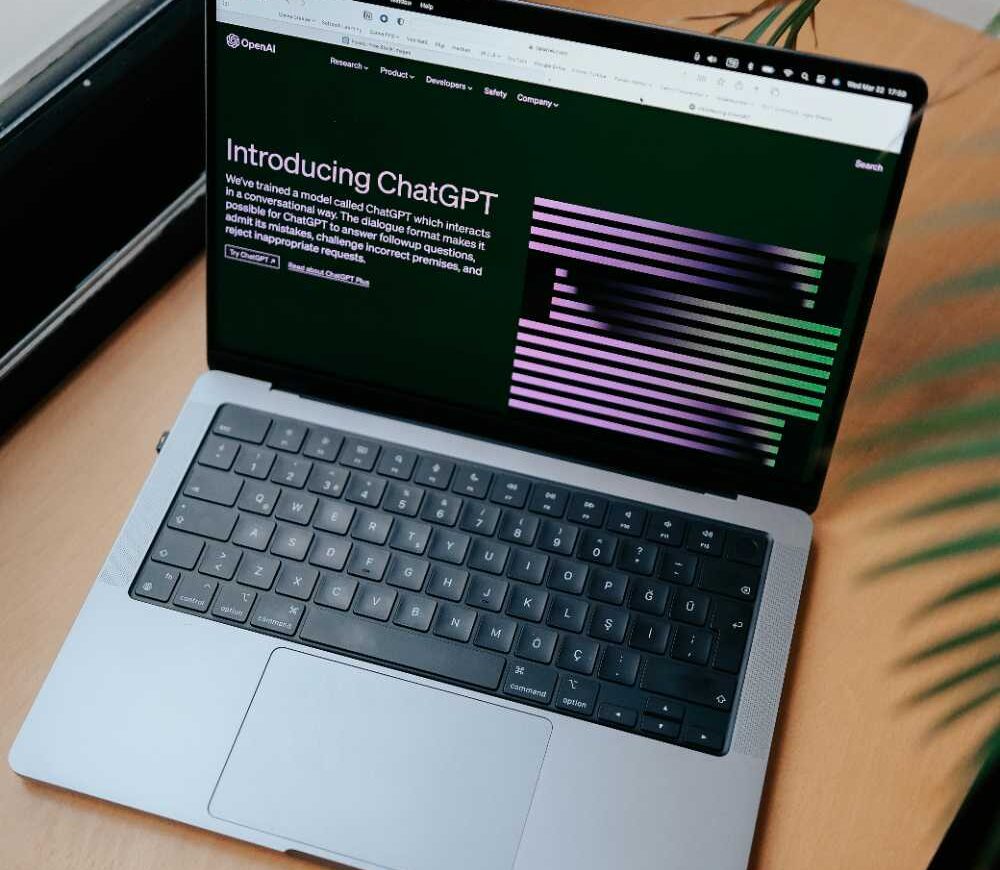
Open laptop on a desk representing the desktop interface at the centre of OpenAI's plan to merge ChatGPT, Codex, and Atlas into a single superapp
OpenAI Desktop Superapp: ChatGPT + Codex + Atlas Merging in 2026
AI Productivity · March 2026

OpenAI Is Folding Three Desktop Apps Into One Superapp

On March 19, 2026, OpenAI confirmed it is combining its three main desktop products — the ChatGPT app, the Codex coding platform, and the Atlas browser — into a single unified desktop application. The company’s Chief of Applications, Fidji Simo, confirmed the plan on X after The Wall Street Journal first reported it. OpenAI President Greg Brockman will lead the product overhaul, while Simo leads the sales and marketing effort for the new app.

The decision follows an internal all-hands meeting on March 16, 2026, where Simo told employees the company had spread itself too thin. ChatGPT has 900 million weekly active users as of February 2026 — but pressure from rival Anthropic, whose Claude Code reached $2.5 billion in annualised run-rate revenue by February 2026, pushed OpenAI to consolidate. No launch date for the superapp has been set. The ChatGPT mobile app is not part of this merger and will remain unchanged.

For more on OpenAI’s AI model strategy, see our coverage of OpenAI’s GPT-5 family pricing and benchmarks.

OpenAI Codex app — multi-agent coding interface, one of the three products merging into the superapp

OpenAI’s Codex app, launched February 2, 2026 — one of the three products being merged into the superapp. Source: OpenAI

900M
ChatGPT weekly active users as of February 27, 2026 — more than doubled from 400M in February 2025
3
Standalone desktop apps (ChatGPT, Codex, Atlas) being consolidated into one unified application
$2.5B
Anthropic’s Claude Code annualised run-rate revenue as of February 2026 — the competitive pressure behind this pivot
Nov ’22
ChatGPT launched November 30, 2022. In under four years it grew from zero to 900M weekly users
Three Apps, One Interface

Each product launched separately over the past year. Here’s what each one does and when it arrived.

💬
ChatGPT
OpenAI’s flagship conversational AI. With 900M weekly active users, it will serve as the conversational layer and orchestrator in the unified app. The standalone app is not going away — only the desktop experience is being consolidated.
Launched: Nov 30, 2022
🌐
Atlas Browser
An AI-native browser with a built-in ChatGPT sidebar, agent mode for autonomous web tasks, and browser memory. Launched macOS-first on October 21, 2025. Windows, iOS, and Android support was listed as “coming soon” at the time of the superapp announcement.
Launched: Oct 21, 2025 (macOS)
⌨️
Codex App
A dedicated desktop interface for running multiple AI coding agents in parallel, with built-in Git worktree support. Launched macOS on February 2, 2026, and expanded to Windows on March 4, 2026. Over 1 million downloads in its first week on Mac.
macOS: Feb 2, 2026 · Windows: Mar 4, 2026
ChatGPT + Atlas + Codex 🖥 One Desktop Superapp
ChatGPT Atlas browser — launched macOS October 21, 2025, one of three apps merging into OpenAI's superapp

ChatGPT Atlas browser, launched October 21, 2025 for macOS. Source: OpenAI

One Task, Three Tools — Without Switching Apps

The superapp’s central promise is agentic AI: the system autonomously completes multi-step tasks across chat, coding, and the web. Click each step to see which app handled it before — and how the superapp changes the experience.

Superapp Workflow Simulator — “Build a data dashboard for our Q1 sales figures”

Before the superapp: you would open three separate apps to complete this task. With the superapp, one interface handles all of it. Tap each step to see the difference.

💬
Step 1 · ChatGPT
You describe the task. ChatGPT understands your intent and delegates: “Search the web for our Q1 benchmarks, then write code to chart them.”
🌐
Step 2 · Atlas Browser
Atlas opens in the background, navigates to your data sources, retrieves the numbers, and returns them to the session — no copy-pasting, no tab-switching.
⌨️
Step 3 · Codex
Codex writes the Python charting code, runs it against the retrieved data, and returns a working dashboard script — autonomously, without human instruction between steps.
Step 4 · Review
You review the diff, approve the code commit, and the task is done — all inside one window. Today, that same workflow requires three separate apps and manual handoffs.
From Separate Launches to One Plan

Tap each event to expand the details.

Oct 21, 2025
ChatGPT Atlas Launches for macOS
+ Read more
OpenAI launched the Atlas browser for macOS — an AI-native browser with a built-in ChatGPT sidebar, agent mode for autonomous web tasks, and browser memory. Windows, iOS, and Android support was listed as “coming soon.” At launch, agent mode was available only to Plus, Pro, and Business subscribers.
Feb 2, 2026
Codex Desktop App Ships for macOS
+ Read more
OpenAI launched a dedicated macOS app for Codex — a “command center for agents” that lets developers manage multiple AI coding tasks in parallel with built-in Git worktree support. The app was downloaded more than 1 million times in its first week. Windows support followed on March 4, 2026.
Mar 4, 2026
Codex App Expands to Windows
+ Read more
OpenAI released the Codex app for Windows, with a native agent sandbox built in collaboration with Microsoft using OS-level isolation and full PowerShell support. More than 500,000 developers had joined the Windows waitlist before launch.
Mar 16, 2026
All-Hands Meeting: “Code Red” Focus Shift
+ Read more
Fidji Simo held a company-wide all-hands meeting, telling employees OpenAI needed to stop being distracted by “side quests.” Simo said Anthropic’s rise was a “wake-up call” and that the company was treating the situation “as if it’s a code red.” She told staff: “Our opportunity now is to take those 900 million users and turn them into high-compute users.”
Mar 19, 2026
Superapp Officially Confirmed
+ Read more
OpenAI confirmed the superapp plan after The Wall Street Journal reported it. Fidji Simo posted on X: “Companies go through phases of exploration and phases of refocus; both are critical. But when new bets start to work, like we’re seeing now with Codex, it’s very important to double down on them and avoid distractions.” Greg Brockman was confirmed as overseeing the product and organisational changes.
Coming Months
Phased Rollout — No Date Set
+ Read more
OpenAI plans to first expand Codex’s capabilities beyond coding into broader productivity tasks. Once those are in place, ChatGPT and Atlas will be merged into the unified desktop app. No launch date has been announced. The ChatGPT mobile app stays separate and unchanged. Employees were told specifics would arrive in the coming weeks.
What Changes for Users and Teams

Choose a category to compare what the fragmented setup looked like versus what the superapp is designed to deliver.

Before — 3 Separate Apps

  • Switch between ChatGPT, Atlas, and Codex apps separately
  • No shared context between sessions
  • Three interfaces to manage
  • Manual copy-paste between browser and coding tools
  • Each tool operates in isolation

After — One Superapp

  • Research in Atlas feeds directly into a Codex task — one window
  • ChatGPT acts as the orchestrating layer
  • Unified session context across all three functions
  • Agentic AI completes multi-step tasks autonomously
  • No context-switching between apps

Before

  • Broad consumer market focus
  • Chatbot-first product identity
  • Mix of casual and professional use
  • Consumer subscriptions as primary revenue driver

After

  • Aggressive pivot toward enterprise and developer users
  • Productivity and coding at the centre
  • “High-compute users” as the primary target
  • Matching Anthropic’s enterprise-first approach

Before

  • Separate engineering teams per app
  • Research division split across multiple products
  • Fragmented quality control
  • Hard to identify core company strategy internally

After

  • Teams consolidated around one central product
  • Research division focuses on improving one app
  • Simo leads marketing; Brockman leads product + org changes
  • Clearer internal direction per Simo’s internal memo

Before

  • Codex and ChatGPT accessed separately
  • Git worktree support only in standalone Codex app
  • Browser memory separate from chat session
  • Windows Codex only arrived March 4, 2026

After

  • Coding, browsing, and chat in a single window
  • Agentic AI writes, tests, and commits code autonomously
  • Shared context between coding and browsing tasks
  • Codex capabilities expanding beyond coding into productivity
What OpenAI Leadership Said

Statements sourced from official posts, internal memos, and transcripts reviewed by CNBC. No paraphrasing — these are direct quotes only.

“Companies go through phases of exploration and phases of refocus; both are critical. But when new bets start to work, like we’re seeing now with Codex, it’s very important to double down on them and avoid distractions. Really glad we’re seizing this moment.”
— Fidji Simo, Chief of Applications · Post on X, March 19, 2026
“We realized we were spreading our efforts across too many apps and stacks, and that we need to simplify our efforts. That fragmentation has been slowing us down and making it harder to hit the quality bar we want.”
— Fidji Simo, in an internal memo to employees — reported March 19, 2026
“Our opportunity now is to take those 900 million users and turn them into high-compute users. We’ll do that by transforming ChatGPT into a productivity tool.”
— Fidji Simo, all-hands meeting March 16, 2026 — partial transcript reviewed by CNBC
The Revenue Pressure Driving This Decision

Anthropic’s Claude Code went from $0 to $2.5B in annualised revenue in about nine months — a direct trigger for OpenAI’s consolidation. The bars below show Claude Code’s run-rate revenue growth, sourced from Anthropic’s official Series G announcement.

Data: Anthropic’s official $1B milestone announcement (Nov 2025) and Series G announcement (Feb 2026). Enterprise use accounts for more than half of Claude Code’s revenue. See also: OpenAI’s GPT-5 benchmarks and pricing.

What Was Covered

OpenAI’s plan to merge ChatGPT, the Atlas browser, and the Codex app into a single desktop superapp was confirmed on March 19, 2026. Chief of Applications Fidji Simo and President Greg Brockman are overseeing the transition. The phased rollout is set to begin by expanding Codex’s productivity capabilities before folding in ChatGPT and Atlas. The ChatGPT mobile app is not part of the consolidation. No launch date has been publicly announced.

This article covered the confirmed products being merged, the verified launch dates of each app (Atlas: October 21, 2025; Codex macOS: February 2, 2026; Codex Windows: March 4, 2026), the all-hands meeting context from March 16, 2026, leadership statements from official sources, and the competitive revenue figures from Anthropic’s own announcements.

For related technology developments, see our coverage of NVIDIA’s DLSS 5 neural rendering, Apple AirPods Max 2 with live translation, the Darksword iOS security exploit, and Meta Horizon Worlds shutdown.


Leave a comment