
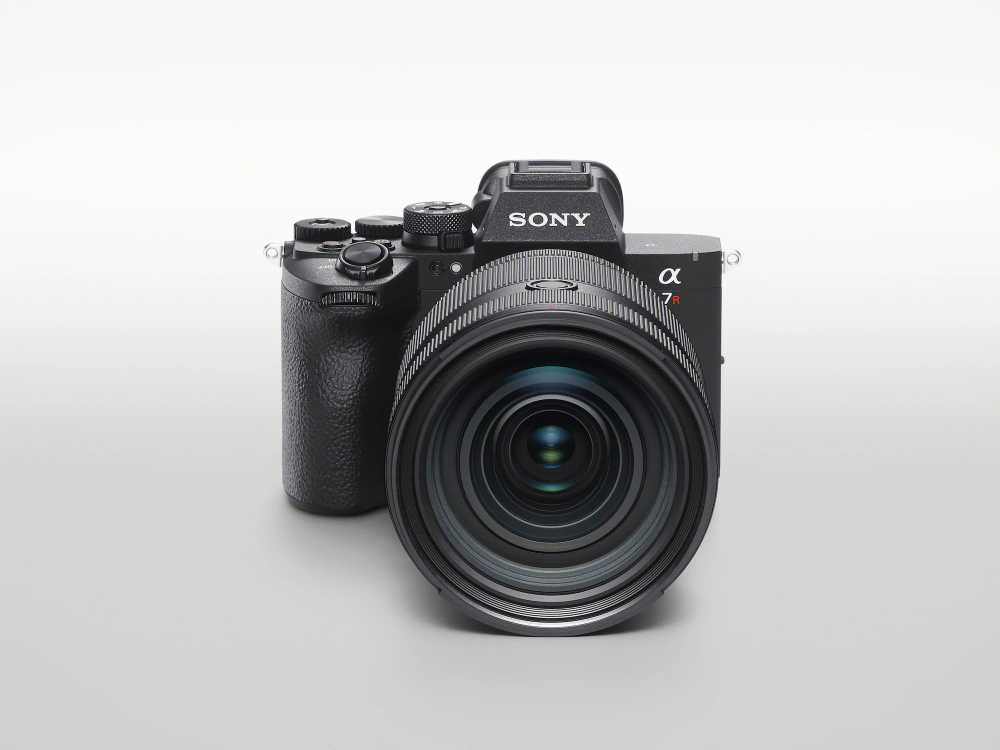
Sony’s A7R VI: 66.8MP, 30fps — and No Longer a Speed Compromise
Sony announced the Alpha 7R VI on May 13, 2026, pairing the highest-resolution full-frame mirrorless sensor on the market — a 66.8-megapixel fully stacked Exmor RS CMOS — with a new Bionz XR2 processor capable of 30 frames per second blackout-free burst shooting. For a series that was always resolution-first and speed-second, this is a substantial shift.
The previous model, the A7R V, used a 61MP back-illuminated sensor introduced with the A7R IV in 2019. Its readout speed was around 100 milliseconds, making rolling shutter distortion a persistent issue with the electronic shutter. The A7R VI brings that down to approximately 18 milliseconds, with a sensor readout roughly 5.6× faster than its predecessor. The A9 III’s global shutter remains the only Sony sensor with zero rolling shutter, and the A1 II reads out in under 4 milliseconds — but for most photographers, 18ms is well within usable range. The camera is available for pre-order at $4,499.99 USD, with shipping set for June 2026.
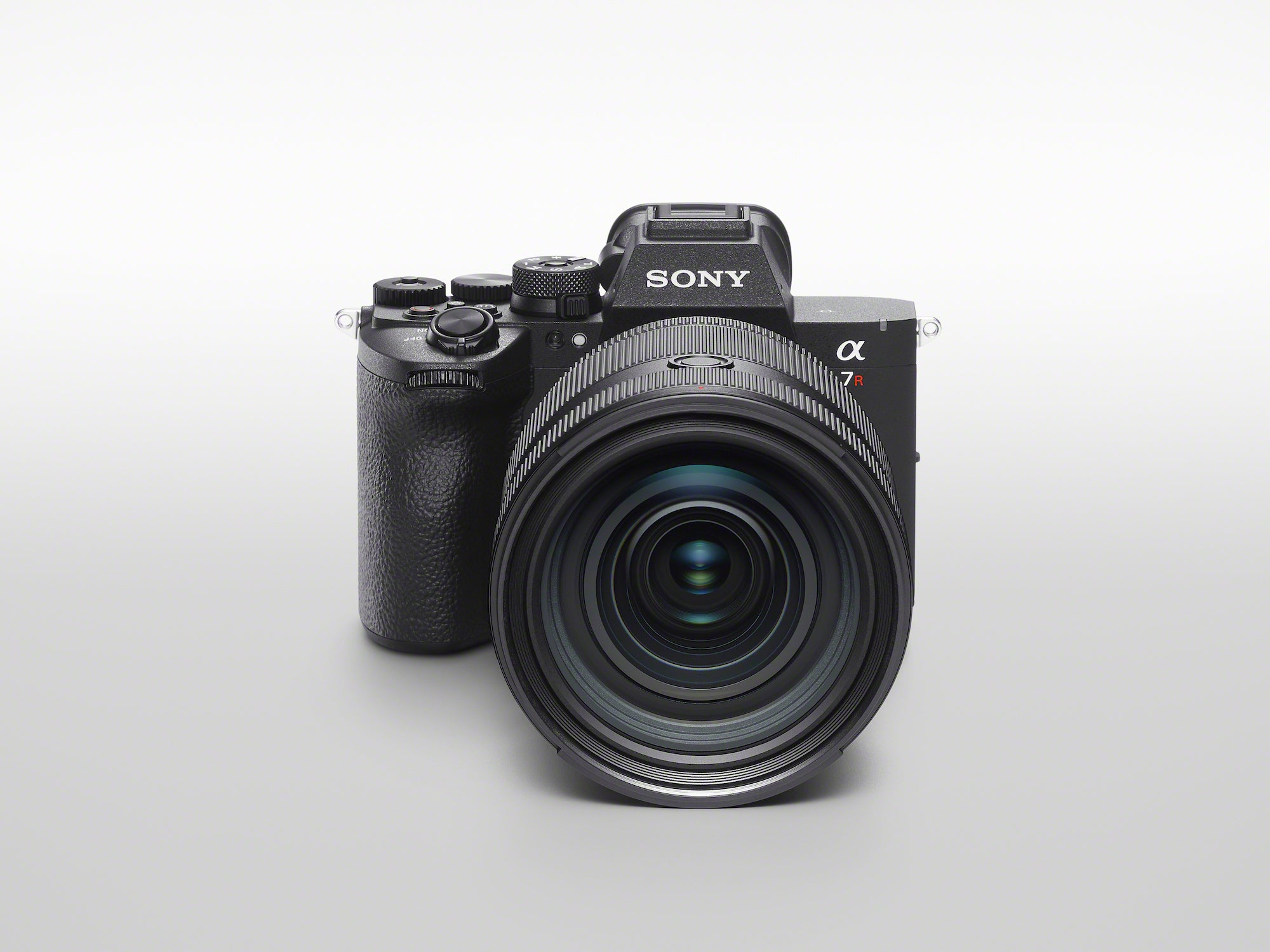
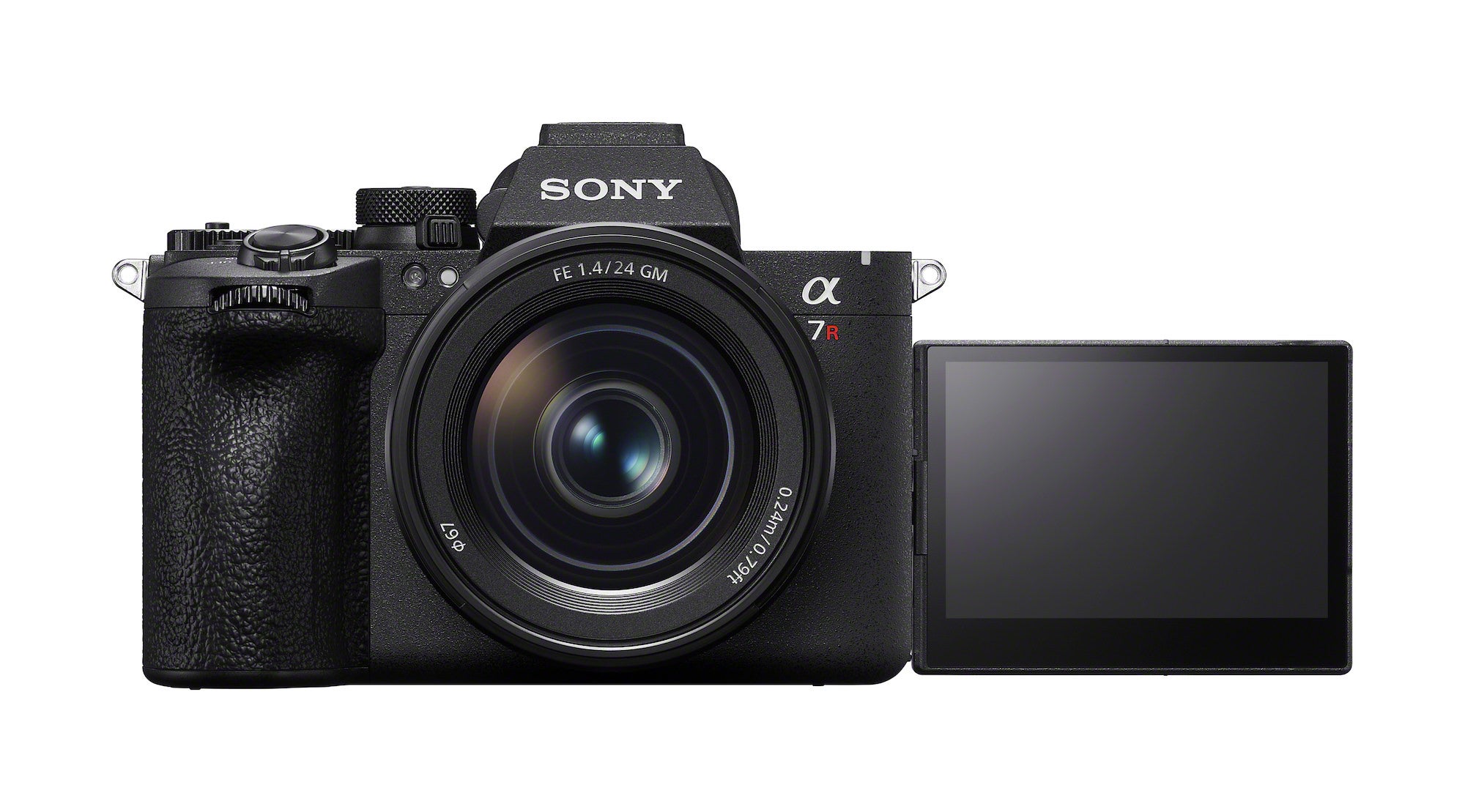
Full Specs Explorer
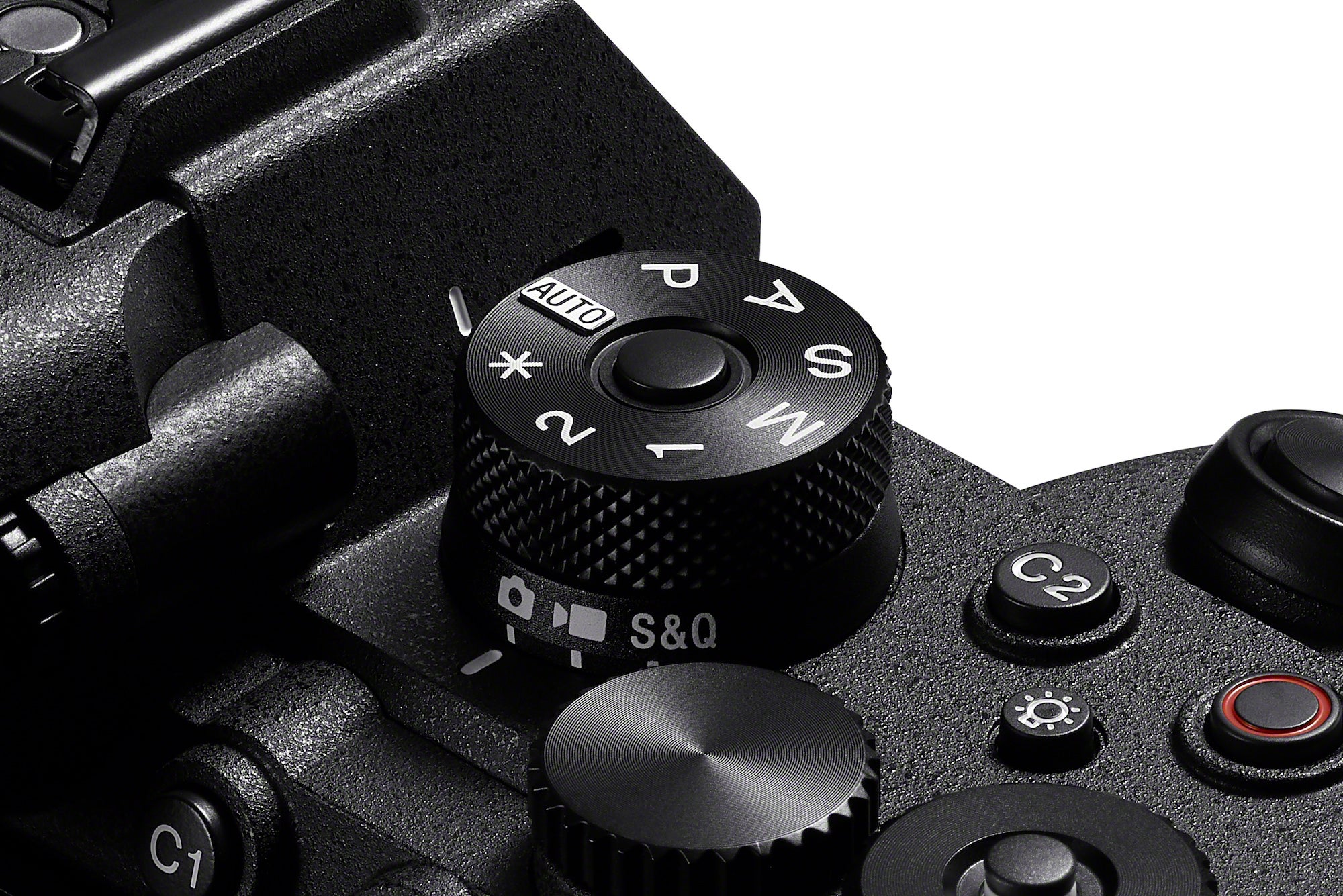
What The Stacked Sensor Changes
The move from a back-illuminated sensor to a fully stacked Exmor RS design is the architectural change driving most of the A7R VI’s performance improvements. In a stacked sensor, the pixel layer, memory layer, and processing circuitry are bonded vertically, which shortens the electrical path data travels after capture. This is what makes 30fps burst shooting at full 66.8MP resolution possible — data exits the sensor roughly 5.6× faster than the A7R V could manage. For context on how stacked sensors are also being applied in smaller form-factor cameras, the DJI Osmo Pocket 4 is among the compact devices also adopting advanced sensor readout to support 4K high-frame-rate capture.
For video, the difference is equally significant. The A7R V produced around 38 milliseconds of rolling shutter lag in 8K — visible as a “jello” effect when panning or during fast motion. The A7R VI brings this down to approximately 17 milliseconds in 8K and around 8 milliseconds in 4K full-frame mode, making the electronic shutter usable in far more situations than before. It does not eliminate rolling shutter entirely; that remains the domain of the A9 III’s global shutter sensor.
“The Alpha 7R series stands for image quality you can trust on screen, in print, and in the most demanding conditions. The Alpha 7R VI takes that further with the speed, intelligence, battery life, and viewfinder quality our creators have been asking for.”
— Yang Cheng, Vice President of Imaging Solutions, Sony Electronics Inc.Resolution vs. Speed: Where the A7R VI Sits
Bar lengths represent relative performance within each metric. Sources: Sony specifications.
Autofocus and Dynamic Range
The A7R VI uses a 759-point phase-detect autofocus system covering 94% of the frame, now carrying the “Real-time Recognition AF+” designation. The core addition over the A7R V is skeletal-based human pose estimation — the system can identify and track a person based on body structure, beyond just the face or eyes. This matters when subjects turn away, are partially obscured, or move in ways that hide facial features. Animal, bird, vehicle, and insect detection has also been expanded to track smaller subjects in the frame, which becomes particularly relevant given the 66.8MP resolution allows aggressive cropping.
Dynamic range is rated at up to 16 stops (mechanical shutter, low sensitivity) — one stop above the A7R V’s 15-stop rating. The improvement is attributed to a Dual Gain Output function embedded in the sensor pipeline, similar in approach to what the A7 V employs, designed to maintain dynamic range despite the shift to a fully stacked sensor architecture, which traditionally carries some tradeoff in shadow performance. The electronic shutter mode carries a slight dynamic range reduction compared to the mechanical shutter, though Sony’s published figures show this as marginal at lower ISOs.
Automatic white balance now uses a combination of visible-light and infrared sensors alongside deep-learning illumination estimation. This is designed to produce more accurate results in challenging mixed-lighting environments — situations like shaded outdoor scenes or indoor tungsten-lit rooms where earlier Sony AWB systems tended to over-correct toward cooler tones.
What’s New Across the Board
Video: Better, With Remaining Gaps
The stacked sensor substantially improves the A7R VI as a video tool compared to its predecessor. 8K recording is now available at up to 30fps, up from 24fps on the A7R V, with rolling shutter reduced from approximately 38 milliseconds to 17 milliseconds. 4K full-frame recording reaches 60fps (with 5K oversampling) and 120fps — the latter requiring the “4K Angle of View Priority” setting to be enabled, which removes any crop. Super 35mm mode offers 4K 60fps with 6.3K oversampling at a 1.5× crop.
Dual Gain Shooting — a first in the Alpha series — is available for 4K recordings at 30fps and below. It trades some readout speed (around 20ms versus 8ms) and imposes a 30fps cap in exchange for improved shadow detail and reduced noise in log recording. The result is a wider effective dynamic range for footage in challenging lighting conditions.
Gaps remain. There is no internal RAW video output, no open-gate recording, and no waveform display. Cameras like the Canon EOS R5 II and Panasonic S1R II include ProRes or RAW recording options that the A7R VI does not. For photographers who also shoot video on assignment, the A7R VI handles a wide range of professional scenarios, but it stops short of full hybrid parity with some competitors at this price point.
Alpha 7R Series: Generation by Generation
Pricing, Accessories, and Availability
The A7R VI body is priced at $4,499.99 USD ($5,999.99 CAD), with shipping from June 2026. The A1 II, Sony’s previous resolution-and-performance flagship, is priced at approximately $7,000 USD — the A7R VI exceeds it in megapixel count. The A7R V has dropped in price since its 2022 launch and remains a viable option for photographers who prioritise resolution over burst speed.
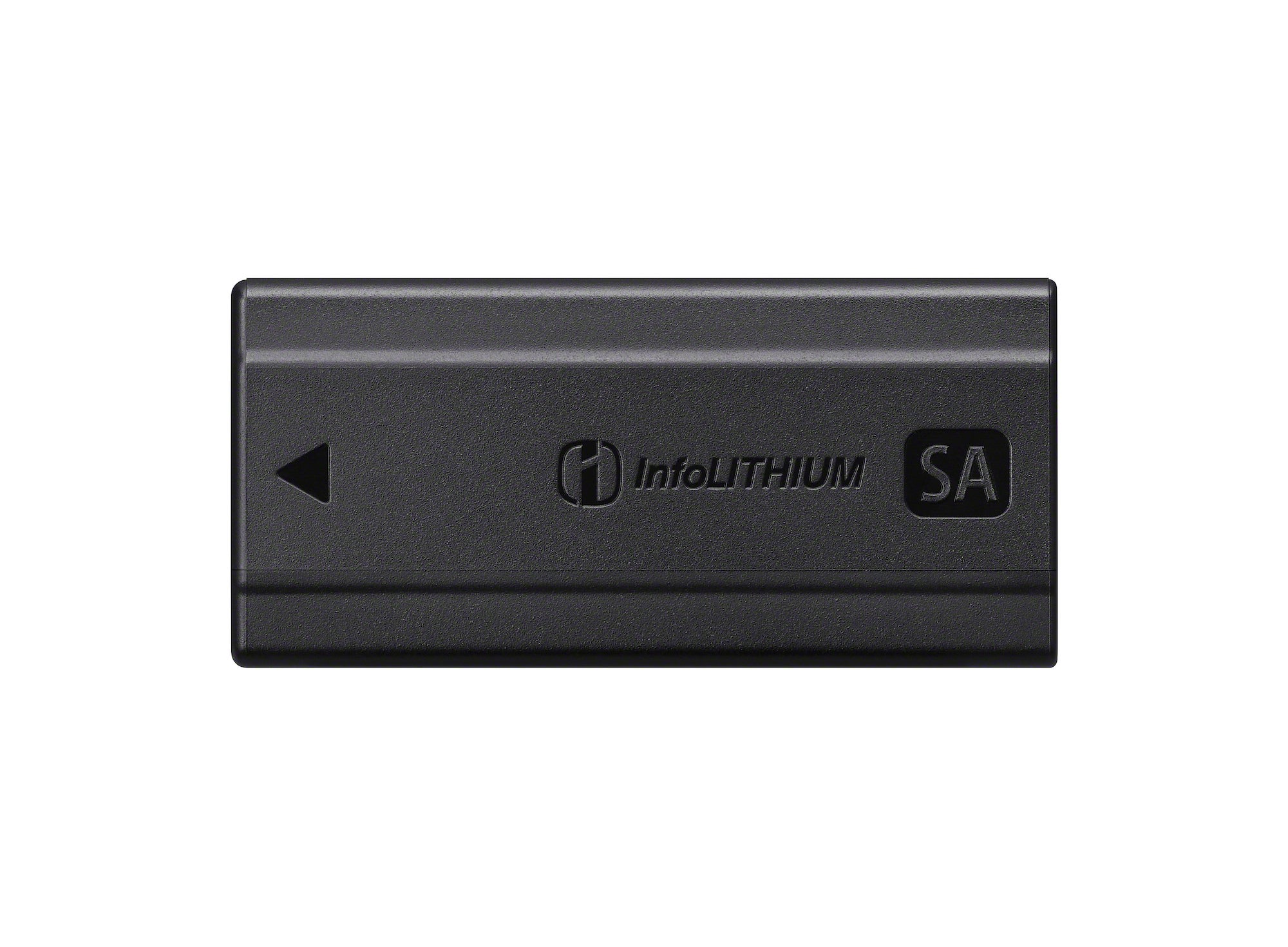
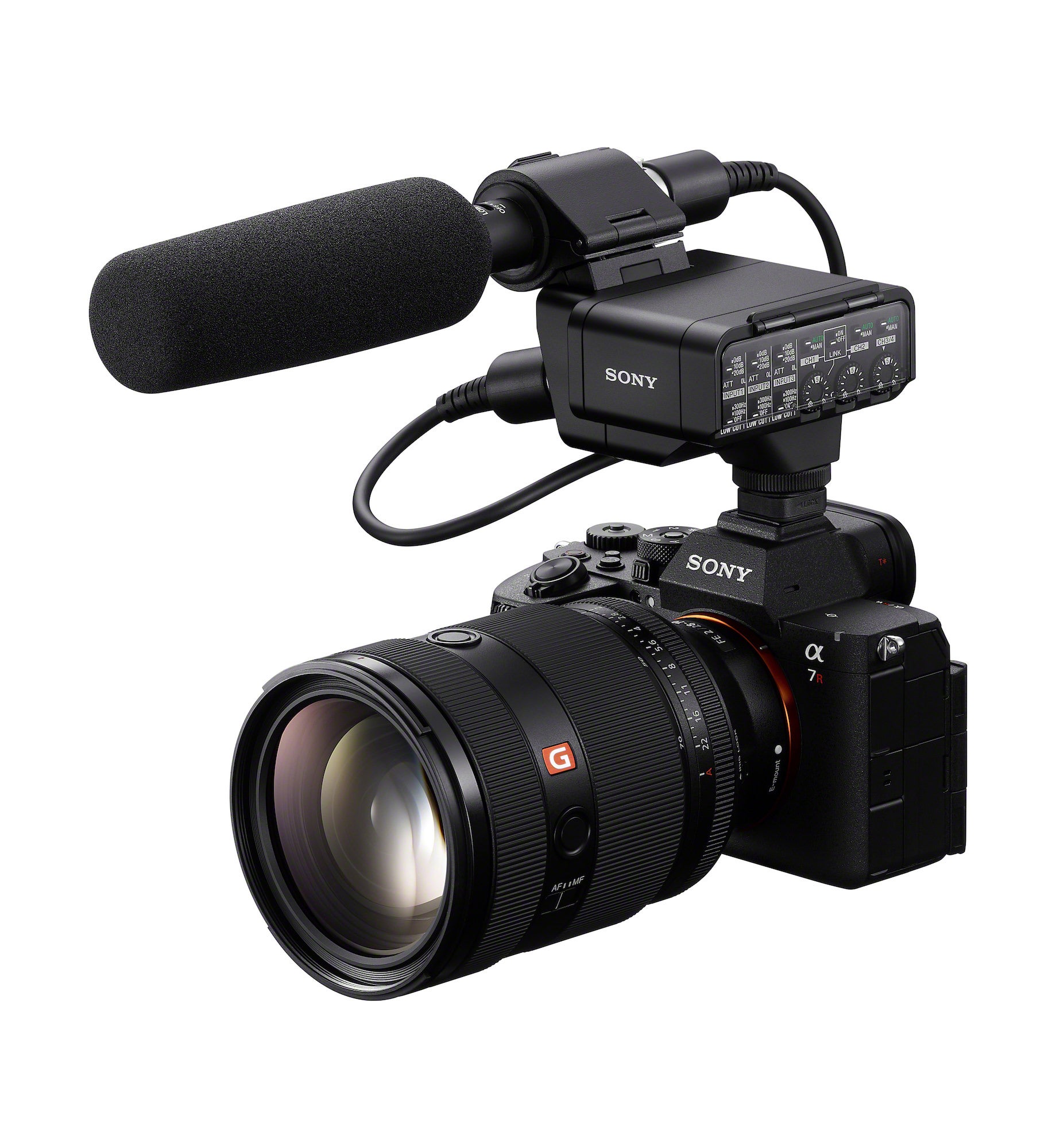
Alongside the body, Sony introduced the XLR-A4 audio adaptor ($779.99 USD), which enables 32-bit float 4-channel audio recording via XLR microphones. A new Vertical Grip VG-C6 ($459.99 USD) and the BC-SAD1 dual battery charger ($139.99 USD) are also scheduled for June 2026 availability. The NP-SA100 battery is sold separately at $119.99 USD. Sony has also introduced a new FE 100-400mm f/4.5 GM OSS G Master lens, a lighter redesign of the previous model, available for pre-order at approximately $4,300.
Pre-Order Pricing (June 2026 Shipping)
Body Changes, RAW Formats, and What Carried Over
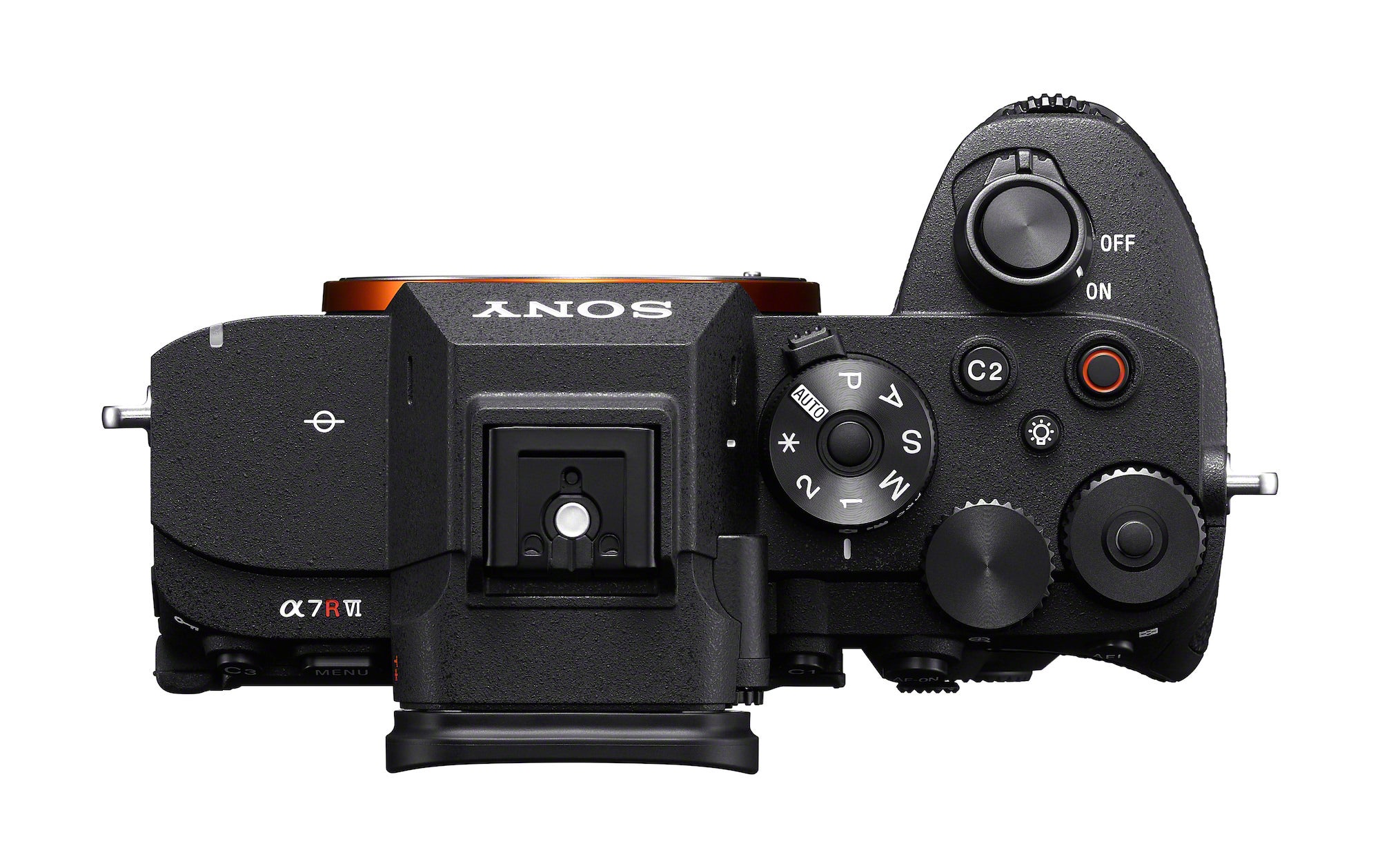
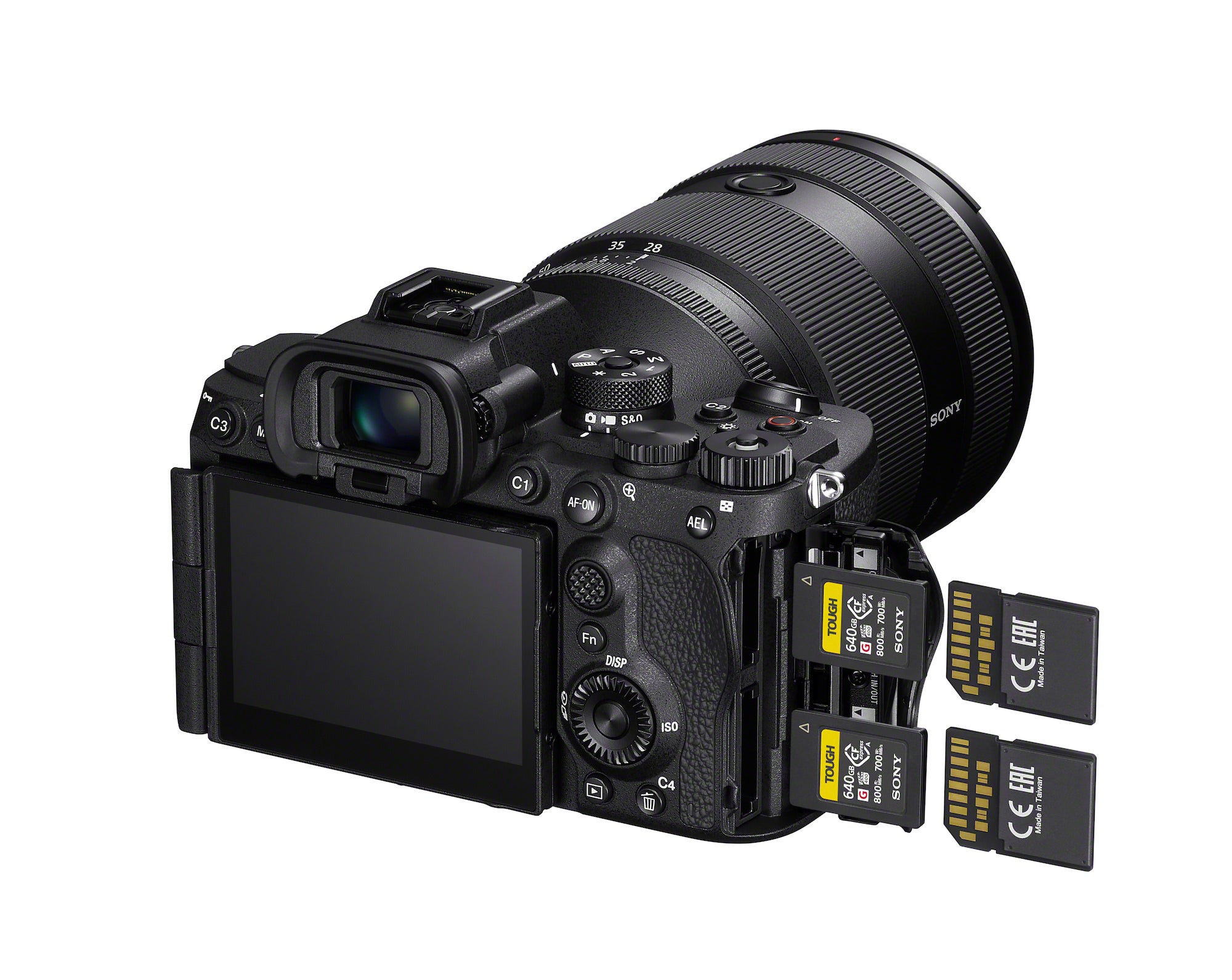
The A7R VI’s body dimensions are very close to the A7R V, with a revised grip profile to accommodate the new, larger NP-SA100 battery. The dual card slots each accept either CFexpress Type A or SDXC cards. Per-gigabyte, CFexpress Type A remains among the more expensive storage options compared to the CFexpress Type B used in competing systems from Canon and Nikon, though SDXC cards work for most shooting scenarios outside maximum burst-speed use.
Uncompressed RAW has been removed as a format option. In its place are Lossless Compressed, Compressed HQ, and Compressed. Sony’s rationale is that file size reduction comes without compromising resolution; independent comparisons tend to support this, though software compatibility with some third-party RAW editors required a beta version of Sony Imaging Edge Desktop at launch. Composite RAW shooting, extended noise reduction, and extended hi-res modes are new additions for post-processing workflows. The camera also supports Sony’s Camera Authenticity Solution, using the C2PA standard to verify that images were captured by a camera rather than generated by AI — a first for the A7R series. See how this compares to other recent imaging tech advances in our coverage of Apple’s camera hardware moves and Microsoft’s latest device line.
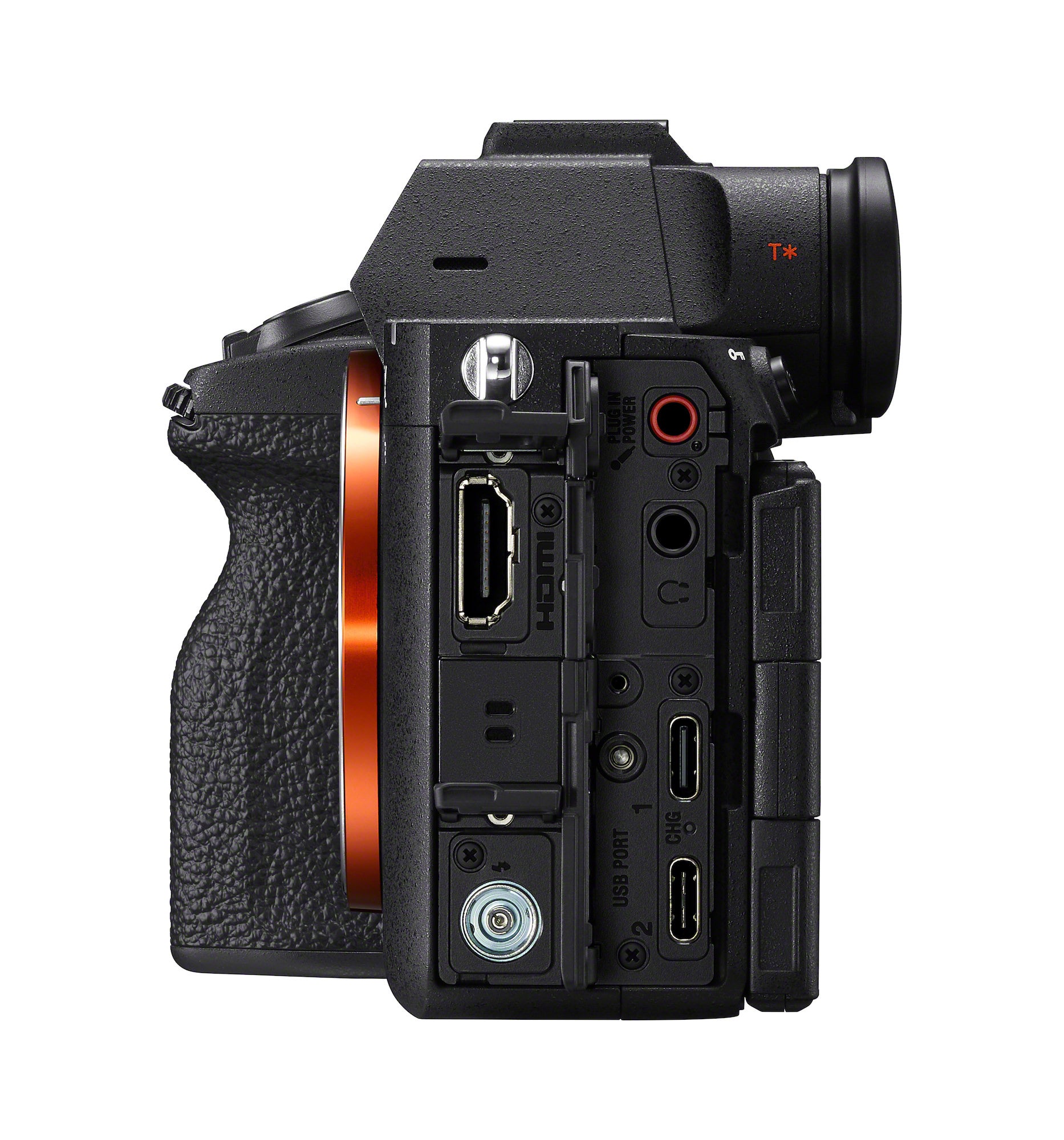
Wi-Fi has been upgraded to 802.11ax (Wi-Fi 6) and the camera now includes dual USB-C ports, supporting simultaneous charging and data transfer — an improvement over the A7R V’s single port. The NP-FZ100, used by most current Sony Alpha bodies, is not compatible with the A7R VI. This is a backward compatibility break that requires existing Sony shooters to invest in new batteries and potentially a new charger.
The Sony Alpha 7R VI was announced on May 13, 2026, as a 66.8-megapixel fully stacked Exmor RS mirrorless camera paired with the Bionz XR2 processor. Coverage included the sensor architecture, burst speed capabilities, video specifications, autofocus system, battery changes, pricing, and available accessories. Pre-orders were opened at $4,499.99 USD, with shipping from June 2026. The accompanying XLR-A4 audio adaptor and the updated FE 100-400mm f/4.5 GM OSS lens were also covered. Related consumer technology coverage has been published on Apple’s 2026 device plans, Google’s Fitbit Air tracker, and iPhone 18 Pro pricing.